What is AI SEO? A plain-English guide for Australian businesses
AI SEO is SEO for Google's results and for the AI answers in AI Overviews, AI Mode and ChatGPT. Here is what changed, what Google says you need, what the research shows, and where to start.
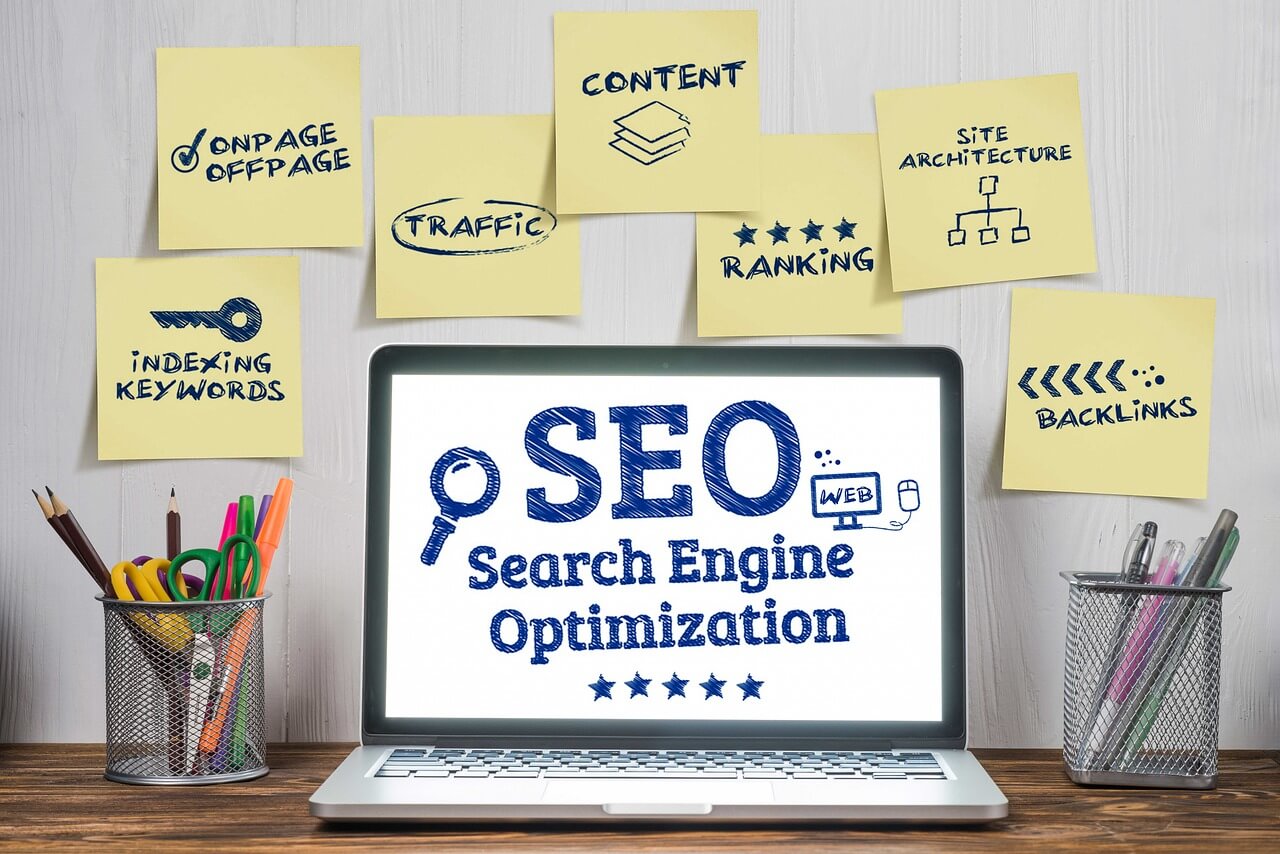
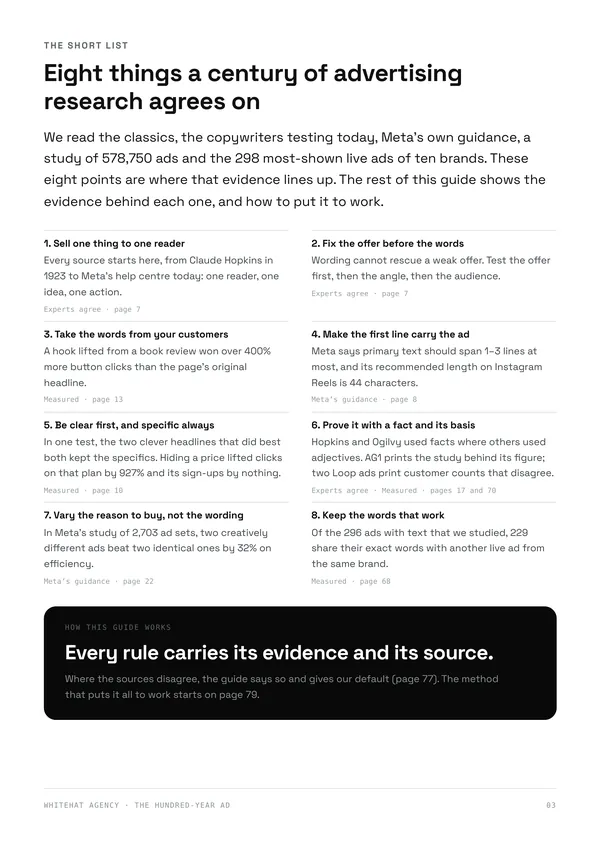
AI SEO is search engine optimisation for the places people now find a business: Google's results, Google's AI Overviews and AI Mode, and AI assistants such as ChatGPT and Perplexity. Google says its AI features need nothing beyond SEO best practice. So AI SEO is SEO done thoroughly, with AI visibility measured alongside rankings.
That is the short answer. Below we set out what changed, what Google and the research actually say, and how to start. If you would rather we did the work, our AI SEO agency page explains how we run it.
AI SEO has no secret tactics. It is SEO written for two readers at once: the person scanning Google's results, and the AI system building an answer from the web.
What changed, in numbers
Australians now use AI tools at scale. Roy Morgan found 13.6 million people, or 58% of Australians aged 14 and over, used AI tools in an average four weeks in the March quarter of 2026. ChatGPT was the most used, at 10.5 million people (45%), followed by Google Gemini at 5 million and Microsoft Copilot at 4 million.
Fewer searches end in a click. SparkToro, using clickstream data from Similarweb, found 68.01% of US Google searches ended without a click in January to April 2026, up from 60.45% in 2024 (that earlier figure came from a different data provider). The study covers the US; SparkToro has published follow-up figures for the UK, Canada and several European countries, not Australia.
Taken together, more of your buyers read an answer before they read a list of links, and more searches end without a visit to any website. Being the source behind the answer is worth more than it was two years ago.
What Google says AI SEO needs
Google's own guide, AI features and your website, is direct about it: "There are no additional requirements to appear in AI Overviews or AI Mode, nor other special optimizations necessary." To be shown as a supporting link, a page must be indexed and eligible to appear in Google Search with a snippet. Even then, Google notes that indexing and serving isn't guaranteed.
The same guide lists the SEO fundamentals that remain worthwhile for its AI features:
- Crawling allowed in robots.txt, and by any CDN or hosting infrastructure
- Content that is easy to find through internal links
- A good page experience
- Important content available as text
- High-quality images and video that support the text, where they fit
- Structured data that matches the visible text on the page
- Merchant Center and Business Profile information kept up to date
It is just as clear about what you don't need: "You don't need to create new machine readable files, AI text files, or markup to appear in these features. There's also no special schema.org structured data that you need to add." Keep that sentence in mind if an agency offers an llms.txt file or AI-specific schema as the fix for AI visibility.
What the research says about being chosen
Google describes what makes a page eligible. Researchers and tool makers have studied what correlates with a brand actually being named in AI answers, and two studies are worth knowing.
Ahrefs studied 75,000 brands across ChatGPT, AI Mode and AI Overviews (December 2025). Mentions of a brand on YouTube showed the strongest correlation with AI visibility (about 0.737), and branded web mentions were close behind (0.66 to 0.71). Link metrics such as the number of backlinks showed very weak correlations. Ahrefs is clear that correlation isn't causation, but the YouTube result held on every platform it tested.
The term generative engine optimisation comes from a 2023 research paper by Aggarwal and colleagues, later accepted at the KDD 2024 conference. The authors built a benchmark of queries across several domains and reported that their methods lifted visibility in generative engine responses by up to 40% in their tests, with results varying by domain.
Our reading of both: no single tactic decides it. The pages these studies point to answer clearly, sit on a site that is indexed and technically sound, and belong to a brand that other sites talk about.
The parts of AI SEO
Research: searches and questions
People type short searches into Google and ask longer questions of AI tools. AI SEO research maps both, then gives each intent one page, so two of your pages never compete for the same question.
Technical foundations
Your pages need to be crawlable, indexed and readable as text. We check indexing in Google Search Console and submit key pages to Bing Webmaster Tools as well, so they sit in Bing's index as well as Google's. Our technical SEO work covers this end to end.
Answer-first content
Google asks for helpful, reliable, people-first content. In practice that means answering the question in the opening sentences, using headings phrased the way people ask, and writing sections that still make sense when read on their own. Our content SEO service writes to that standard.
Brand mentions and digital PR
Given the Ahrefs findings, earned coverage and mentions deserve a bigger share of the budget than link counts alone. Digital PR is how we earn them for clients.
Measurement
Google includes AI Overviews and AI Mode in Search Console's Performance report, under the Web search type. For ChatGPT and Perplexity, the practical test is to ask the questions your buyers ask and record whether you are named. Our free AI Search Score adds a third view: how AI crawlers read your pages today.
AI SEO, AI search optimisation, GEO and AEO
These names overlap. AI SEO is the broad term, and the most searched in Australia: about 1,400 searches a month for "ai seo" on Ahrefs' Australian data. AI search optimisation is the same work under another name, at about 400 searches a month here. GEO comes from the research paper above, and AEO frames the work around answers. We compare them in more detail in AEO vs SEO vs GEO.
Where to start
- ✓ Check indexing. Confirm your main pages are indexed in Google Search Console, and add your site to Bing Webmaster Tools.
- ✓ Check access. Make sure robots.txt and your CDN allow crawling, as Google's guide lists.
- ✓ Score your site. Run the free AI Search Score to see how AI crawlers read your pages.
- ✓ Fix your most important page. Rewrite your main service page so it answers the buyer's question in its opening sentences.
- ✓ Update your Business Profile. Google lists an up-to-date profile among the fundamentals for its AI features.
- ✓ Earn mentions. Plan coverage on the sites and channels your buyers already follow.
Talk to us about AI SEO for your business.
A senior strategist reviews how your site ranks in Google and how AI tools read it, then hands you a prioritised plan. Our SEO clients average a 412% organic revenue lift year on year.
For the full evidence base, with every source listed, read our free AI search field guide. If you are weighing up agencies, our guide on how to choose an AI SEO agency lists the questions to ask.
Sources
- Google Search Central, AI features and your website (last updated 10 December 2025)
- Roy Morgan, AI tools usage, March quarter 2026 (Single Source, n=14,646)
- SparkToro, In 2026, less than one third of Google searches still send a click, data from Similarweb
- Ahrefs, Top brand visibility factors in ChatGPT, AI Mode and AI Overviews (12 December 2025)
- Aggarwal et al., GEO: Generative Engine Optimization (arXiv 2311.09735, KDD 2024)
- Ahrefs Keywords Explorer, Australian search volumes, October 2026
Frequently asked questions
What is AI SEO in simple terms?
AI SEO is SEO for Google's results and for the AI answers people read in AI Overviews, AI Mode, ChatGPT and Perplexity. Google says its AI features have no additional requirements beyond SEO best practice, so AI SEO means doing that work thoroughly and measuring where you appear in AI answers as well as in rankings.
Is AI SEO different from regular SEO?
The foundations are the same, and Google's guidance says so directly. The emphasis shifts toward answer-first writing, content available as text, an up-to-date Business Profile and earned brand mentions, which Ahrefs found correlate strongly with AI visibility across 75,000 brands. Measurement also widens to include AI answers.
What is AI search optimisation?
AI search optimisation is another name for AI SEO: optimising so your business is found in Google's AI features and in AI assistants such as ChatGPT. Ahrefs records about 400 Australian searches a month for the term, against about 1,400 for "ai seo". The work behind both names is the same.
Do I need an llms.txt file for AI SEO?
Not for Google. Its guide says you don't need new machine-readable files, AI text files or markup to appear in AI Overviews or AI Mode, and that there is no special schema.org structured data to add. Spend the effort on indexing, clear content and earning mentions instead.
How do I know if my business appears in AI answers?
Google counts AI Overviews and AI Mode in Search Console's Performance report, under the Web search type. For ChatGPT and Perplexity, ask the questions your buyers ask and record whether you are named, then repeat monthly. Our free AI Search Score shows how AI crawlers read your pages.
Is SEO dead because of AI?
No. Google states that SEO best practices remain relevant for its AI features, and a page has to be indexed in Search to appear as a supporting link in them. What has changed is how many searches end without a click: 68.01% in the US in early 2026, according to SparkToro and Similarweb.