What is AI automation? A plain-English guide for Australian businesses
AI automation uses artificial intelligence to run tasks and decisions that used to need a person. Here's what it actually means, real examples from workflow bots to custom GPTs and AI agents, the hours and money it can save, and how to start without overcommitting.
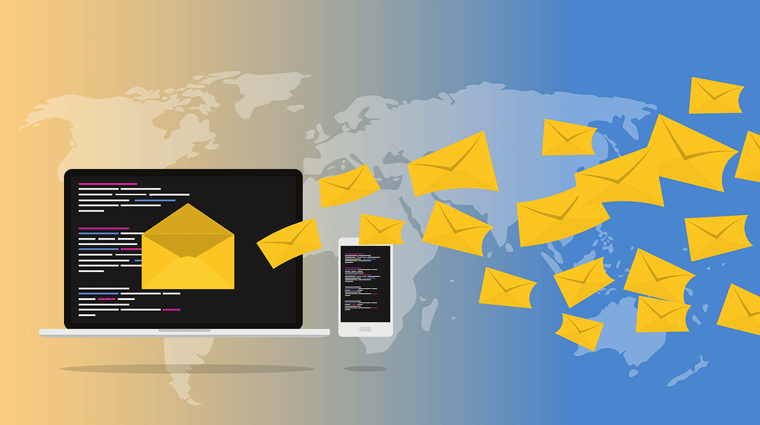
AI automation is the use of artificial intelligence to carry out tasks and decisions that used to need a person. It combines automation (software running steps for you) with AI (software that can read, write and reason), so it handles messy, judgement-based work — not just rigid, repetitive clicks. Routine work runs itself, and your team focuses on what matters.
It sounds futuristic, but most of it is practical and available today. This is the plain-English version we give business owners weighing it up. We build these systems through our AI automation service, so this guide covers what it really is, what it looks like in practice, and how to start small.
Regular automation follows fixed rules. AI automation can read an email, understand it, decide what to do, and draft a reply — handling the in-between work that used to need a human in the loop.
What AI automation actually means
At its simplest, AI automation is software that does work for you and uses AI to handle the parts that need understanding or judgement. A traditional automation can move a file when a form is submitted. An AI automation can read what's in that form, classify it, summarise it, decide where it should go, and write a tailored response — all without a person touching it.
The shift is from "if this, then that" to "understand this, then decide". That's what makes it powerful for real business processes, where inputs are rarely tidy. Customer enquiries, invoices, support tickets and lead forms all vary wildly — and AI can interpret that variety the way a person would, at a fraction of the time and cost.
How it differs from regular automation
People often ask how AI automation differs from the automation they already use, like a scheduled report or a mailing-list trigger. The difference is judgement:
- Regular automation follows fixed rules you define in advance. It's fast and reliable, but brittle — give it something unexpected and it breaks or does nothing.
- AI automation interprets, reasons and adapts. It handles unstructured inputs (emails, documents, chat messages) and makes context-based decisions, so it copes with the messy real world.
- The best systems combine both. Reliable rules handle the predictable steps; AI handles the judgement calls in between. You get speed and reliability where it suits, and flexibility where you need it.
So AI workflow automation isn't a replacement for the automation you have — it's an upgrade that lets you automate the work that was previously too nuanced to hand off to software.
Real examples of AI automation
The term is abstract until you see it in action. Here are the common forms it takes:
- ✓ Workflow bots. An AI step embedded in a process — reading inbound enquiries, sorting and tagging them, drafting replies, and routing them to the right person automatically.
- ✓ Custom GPTs. A chatbot trained on your business — your products, policies and tone — that answers staff or customer questions instantly, 24/7, without making things up.
- ✓ AI agents. Software that can take multi-step actions toward a goal: researching a prospect, updating your CRM, booking a meeting, then following up. Our AI agents service builds exactly these.
- ✓ Document processing. Reading invoices, contracts or forms, extracting the key data, and pushing it into your systems — no manual data entry.
- ✓ Content and reporting. Drafting first-pass copy, summarising long documents, or turning raw data into a plain-English report a client can actually read.
Most businesses start with one of these, prove the value, then expand. You don't need to automate everything at once — you need one painful, repetitive process gone.
The ROI: hours and money saved
The appeal of AI automation is straightforward: it gives you time and money back. Tasks that took hours run in seconds, your team stops doing low-value manual work, and the work happens around the clock without overtime. The payoff usually shows up in three ways:
- Hours saved. Repetitive admin — data entry, sorting, first-draft replies — gets handled automatically, freeing your team for work that actually grows the business.
- Faster response times. Enquiries get answered and leads get followed up instantly, not the next business day. Speed-to-lead alone often lifts conversion.
- Fewer errors and lower cost. Software doesn't get tired or skip a step, so you cut mistakes and the cost of fixing them, while scaling without adding headcount.
We build our own agency on this thinking — automation is what lets a lean team deliver at scale. The honest framing: AI automation rarely replaces a whole role, but it reliably removes the repetitive slices of many roles, and those hours add up fast.
We'll map your highest-ROI automations in a free audit.
Tell us where your team loses the most hours and we'll show you which tasks AI can take off their plate first — with realistic time savings, not hype. Yours to keep, no obligation.
What does an AI automation agency do?
An AI automation agency designs, builds and maintains these systems for you, so you get the outcome without needing to understand the tech. The work usually runs in four stages: find the right processes to automate, design the workflow, build and connect it to your existing tools, then monitor and refine it over time.
The value isn't just technical. A good agency starts with where your business actually loses time and money, then automates the processes with the clearest return — rather than chasing shiny tools. They also handle the unglamorous parts: connecting your CRM, email and other software, adding safeguards so nothing goes rogue, and keeping a human in the loop where it matters. That's what separates automation that sticks from a clever demo that quietly breaks.
How to get started
The best way to start with AI automation is small and specific. Pick one repetitive, time-consuming task — not your whole operation. Automate it, measure the hours saved, then expand from a proven win. Trying to automate everything at once is the most common way these projects stall.
A simple way to spot the first candidate: look for a task that's done often, follows a rough pattern, and frustrates your team. Inbound lead handling, support triage and data entry are classic starting points because the volume is high and the work is repetitive. Nail one, and the case for the next becomes obvious.
Since 2013 we've helped Australian businesses grow by removing the work that doesn't need a human — and AI has made that possible at a scale we couldn't reach before. If you'd like to see where automation would pay off fastest for you, our AI automation team can map it out, no jargon required.
Frequently asked questions
What is AI automation?
AI automation is the use of artificial intelligence to carry out tasks and decisions that used to need a person. It combines automation (software running steps for you) with AI (software that can read, write and reason), so it handles messy, judgement-based work — like reading an enquiry, understanding it and drafting a reply — not just rigid, repetitive clicks.
What is AI workflow automation?
AI workflow automation embeds an AI step inside a business process so the whole workflow runs with minimal human input. For example, an inbound enquiry is read, classified, tagged, given a drafted reply and routed to the right person automatically. It upgrades traditional rule-based automation by handling the unstructured, judgement-based steps that previously needed a person.
What does an AI automation agency do?
An AI automation agency designs, builds and maintains AI-powered systems for your business. The work usually runs in four stages: finding the right processes to automate, designing the workflow, building and connecting it to your existing tools, then monitoring and refining it. The aim is to give you the time and cost savings without you needing to understand the technology.
How much time can AI automation save?
It depends on the process, but the savings come from removing repetitive admin, answering enquiries instantly and cutting errors. AI automation rarely replaces a whole role; it removes the repetitive slices of many roles, and those hours add up fast. The best approach is to automate one task, measure the hours saved, then expand from a proven win.
How do I start with AI automation?
Start small and specific. Pick one repetitive, time-consuming task rather than your whole operation, automate it, measure the result, then expand. Good first candidates are high-volume, pattern-based jobs your team finds frustrating, like inbound lead handling, support triage or data entry. Trying to automate everything at once is the most common way these projects stall.