Are nofollow links good for SEO? What they're actually worth
Google stopped treating nofollow as an instruction in 2020, yet most advice still says the links are worthless. What nofollow actually does now, and how to judge whether a placement is worth chasing.
Yes — but not for the reason most people expect, and not in the way the attribute name suggests. A nofollow link will rarely pass authority the way a followed link does, yet it can still send qualified traffic, trigger branded searches, earn you a citation in an AI answer, and keep your link profile looking like it was built by people rather than a tool.
The mistake we see most often is a business turning down a placement in a genuinely good publication because someone checked the source code and found rel="nofollow". That is optimising for the tag instead of the outcome. Here is what the attribute actually does in 2026, what changed in 2019 that most advice still hasn't caught up with, and how we judge a link when we're deciding whether it's worth chasing.
Nofollow links are worth having. Google treats the attribute as a hint rather than an instruction, and the traffic, brand searches and AI citations a good placement brings are real regardless of the tag. Judge the publication, not the attribute.
What a nofollow link actually is
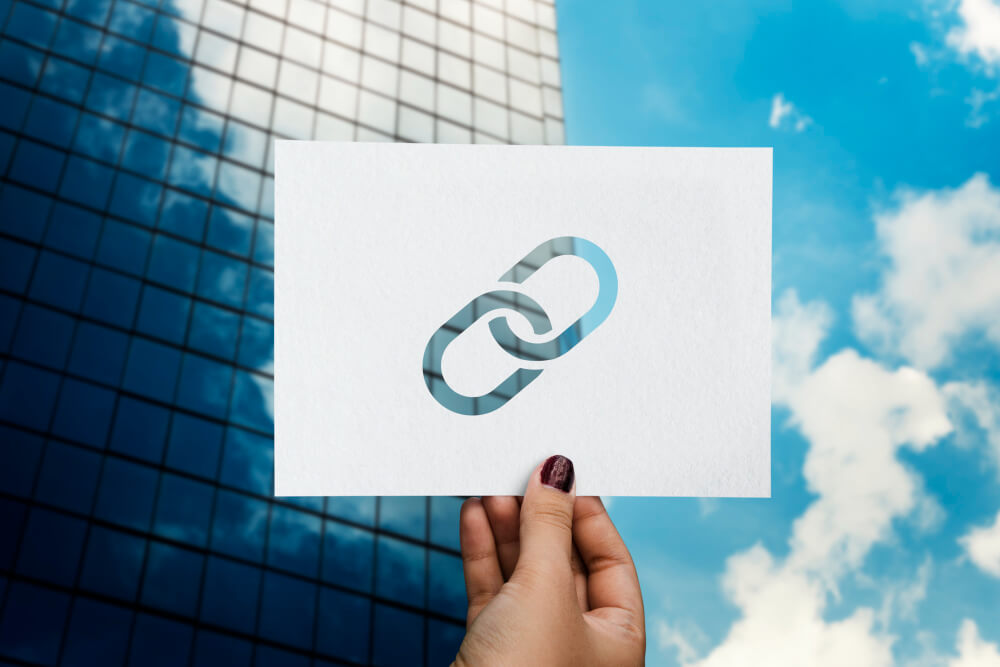
A nofollow link is an ordinary hyperlink carrying the attribute rel="nofollow". It was introduced in 2005 to fight comment spam: it let site owners publish a link while telling search engines they didn't vouch for the destination.
For years the practical read was simple — a followed link passed "link equity" (the ranking signal a link carries), a nofollow link passed none, so only followed links counted. That read is now roughly a decade out of date, and it's the reason so much nofollow advice online is wrong.
The 2019 change most advice still misses
In September 2019 Google announced that nofollow would become a hint rather than a directive. From March 2020, Google reserved the right to consider a nofollow link for ranking and indexing purposes instead of ignoring it outright. The reasoning was practical: by then so much of the web was reflexively nofollowed — including large chunks of major publishers and every user-generated platform — that discarding all of it meant discarding real information about how the web connects.
At the same time Google introduced two more specific attributes, and they matter when you're reading a link's source code:
- rel="sponsored" — the link was paid for or is part of a commercial arrangement. This is the correct tag for advertorial and sponsored content.
- rel="ugc" — the link sits in user-generated content, such as a forum post or blog comment.
- rel="nofollow" — the catch-all, still valid, still widely used as a blanket setting by publishers who haven't updated their CMS.
That last point is the practical one. A great many nofollow links exist not because the publisher is withholding a vouch, but because a template applies the attribute to every outbound link automatically. Google knows this, which is precisely why the signal became a hint.
"The attribute tells you how the publisher's CMS is configured. It does not tell you whether the placement is valuable.
So are nofollow links good for SEO?
Judged only on "does it pass PageRank", a followed link is worth more, and we'd always prefer one. Judged on what a placement actually does for a business, nofollow links earn their place for four reasons:
- ✓ Referral traffic that converts. A link inside a story your buyers are already reading sends people who arrive warm. That traffic is worth having whether or not a crawler follows the link.
- ✓ Branded search. People who see you in a credible publication go and search your name afterwards. Branded search volume is one of the clearest signals that a brand is growing, and nothing about the nofollow attribute suppresses it.
- ✓ AI citations. ChatGPT, Google's AI Overviews and Perplexity build answers from sources they judge authoritative. Being quoted in a respected masthead makes you part of that material — and these systems are not filtering by rel attribute.
- ✓ A natural-looking profile. Real websites accumulate a messy mix of followed, nofollow, sponsored and UGC links. A profile that is overwhelmingly followed looks constructed, and Google's spam systems are built to notice exactly that.
Nofollow vs dofollow: how we actually judge a link
"Dofollow" isn't a real attribute — it's shorthand the industry invented for a normal link with no rel tag. When we assess whether a placement is worth pursuing, the attribute is roughly the fifth thing we look at, behind:
- Is the audience yours? A DR 45 trade publication your buyers actually read beats a DR 85 general news site they don't.
- Is the placement editorial? Earned coverage inside a story carries weight that a footer listing or directory entry never will.
- Is the domain genuinely authoritative? We target DR 70+ publications for client link building, because the authority transfer is real when the link is followed and the audience is real either way.
- Is it relevant? A link from a site covering your category is worth several from unrelated ones.
- Then, is it followed? A tiebreaker between two otherwise comparable placements — not a gate.
Turning down a tier-one placement because it's nofollow is a decision we've never once seen pay off. Whitehat has been white-hat only across 13 penalty-free years, and the links behind $650M+ in client revenue include plenty of nofollowed ones.
How to check whether a link is nofollow
Two ways, one quick and one at scale:
- Inspect the page. Right-click the link, choose Inspect, and look at the anchor tag. If you see
rel="nofollow",rel="sponsored"orrel="ugc", it isn't a plain followed link. - Use a backlink tool. Ahrefs, Semrush and Moz all report the split across your whole profile, which is the view that matters — a healthy profile contains both, and an unusual skew either way is worth understanding.
We'll audit your backlink profile in a free audit.
A senior strategist reviews every link pointing at your site for relevance, authority and risk, then hands you a prioritised plan — yours to keep, whether you work with us or not.
Where nofollow links are worth chasing
Some of the most valuable placements available to an Australian business are nofollow by default. Major mastheads frequently nofollow outbound links as blanket policy. So do Wikipedia, most large forums, Reddit, YouTube descriptions and nearly every social platform.
If you ruled out every nofollow source, you would rule out a large share of the places your customers actually spend their attention. The sensible approach is to pursue the placement for the audience and the brand signal, and treat a followed link as a bonus when it happens.
What we would not do is buy nofollow links, or bulk-submit to directories on the theory that the attribute makes them harmless. Paid and low-quality links breach Google's spam policies whether they're followed or not, and rel="sponsored" exists precisely so paid placements can be declared honestly.
The verdict
Nofollow links are good for SEO in every sense that matters to a business, provided the placement itself is good. They bring qualified readers, they build the brand searches that compound over time, they feed the AI systems answering questions about your category, and they keep your link profile looking like something that grew rather than something that was assembled.
Stop auditing the rel attribute and start auditing the publication. That single change in how you evaluate a link opportunity will do more for your rankings than any amount of chasing followed links from places nobody reads.
Frequently asked questions
Are nofollow links good for SEO?
Yes, provided the placement is good. Google has treated nofollow as a hint rather than an instruction since 2020, so it can still inform rankings. More importantly, a nofollow link from a publication your buyers read sends real traffic, drives branded searches and earns AI citations. Judge the publication, not the attribute.
Is nofollow good for SEO compared with a followed link?
A followed link passes authority more reliably, so between two identical placements we would take the followed one. All else is rarely equal though. A nofollow link from a DR 80 masthead beats a followed link from a DR 10 blog nobody reads, every time. Relevance and audience outrank the tag.
Do nofollow links pass link equity?
Usually not in the direct way a followed link does, but Google no longer ignores them outright. Since March 2020 the attribute is a hint, meaning Google may still use the link for ranking and indexing. Treat any equity as a possible bonus rather than the reason you pursued the placement.
What is the difference between nofollow and dofollow links?
Dofollow is not a real attribute — it is shorthand for an ordinary link with no rel tag, which search engines are free to follow and count. A nofollow link carries rel="nofollow", signalling the publisher does not necessarily vouch for the destination. The visible link looks identical to a reader.
How do I check if a link is nofollow?
Right-click the link, choose Inspect, and look at the anchor tag for rel="nofollow", rel="sponsored" or rel="ugc". For your whole profile at once, Ahrefs, Semrush and Moz all report the followed and nofollowed split, which is the more useful view when you are assessing link health.
What are rel="sponsored" and rel="ugc"?
Google introduced both in September 2019 to replace blanket nofollow use. Sponsored marks a link that was paid for or is part of a commercial arrangement. UGC marks links in user-generated content such as comments and forum posts. Declaring paid links with sponsored is the honest, policy-compliant way to handle advertorial.
Should I ask for a nofollow link to be changed to dofollow?
Almost never. Most nofollow attributes come from a site-wide CMS setting rather than an editorial decision, so the request lands with someone who cannot action it and makes you look like you wanted the link for manipulation. Spend that goodwill on a better placement instead.
Do nofollow links help with AI search visibility?
They can. AI engines such as ChatGPT, Perplexity and Google's AI Overviews build answers from sources they judge credible, and there is no evidence they filter by rel attribute. Coverage in a respected publication makes your brand part of the material those systems draw on, followed or not.