What is social media marketing? A plain-English guide
Social media marketing uses platforms like Instagram, Facebook and LinkedIn to build your brand and drive sales. Here's what it means in plain English — the difference between organic and paid, the main platforms, how it actually drives revenue (not just likes), and how to get started.
Social media marketing is the use of platforms like Instagram, Facebook, LinkedIn and TikTok to promote your business, build your brand and drive sales. It covers two halves: organic (the free posts, stories and content you share) and paid (the ads you run to reach a bigger, targeted audience). The goal isn't likes — it's customers.
It's often misunderstood as "just posting", but done well it's a serious revenue channel. This is the plain-English version we give business owners. We run both halves through our social media marketing service, so this guide explains what it actually is, how the platforms differ, and how to make it pay rather than just keep you busy.
Social media marketing has two engines: organic builds trust and community over time, and paid puts your offer in front of exactly the right people fast. The best strategies use both together.
What social media marketing means
Social media marketing is the practice of using social platforms to reach and engage your audience in order to achieve business goals — brand awareness, leads, sales and loyalty. It's marketing that meets people where they already spend their time, in the feeds they scroll every day.
What sets it apart from other channels is the two-way nature of it. Unlike a billboard or even a search ad, social lets you build a genuine relationship — answering questions, sharing your story, responding to comments, and turning customers into a community. That relationship is what makes social compound: a follower today can be a buyer next month and an advocate the month after.
Organic vs paid social
The single most useful distinction in social media marketing is organic versus paid. They do different jobs, and you need both:
- Organic social is everything you post for free — feed posts, stories, reels, videos and replies. It builds your brand, trust and community over time. It's slower and reach is limited, but it's where loyalty is earned and your brand voice lives.
- Paid social is the ads you pay to put in front of a precisely targeted audience. It's fast, scalable and measurable — you choose exactly who sees it by interest, behaviour, location and more. It's how you reach beyond your existing followers on demand.
- Together they multiply: organic gives paid ads credibility (people check your profile before they buy), and paid gives organic the reach it can't earn alone. Running one without the other leaves results on the table.
A simple way to think about it: organic is the relationship, paid is the reach. Paid advertising on Meta's platforms in particular is where most businesses see fast, trackable returns, which is why it deserves its own focus.
The main platforms
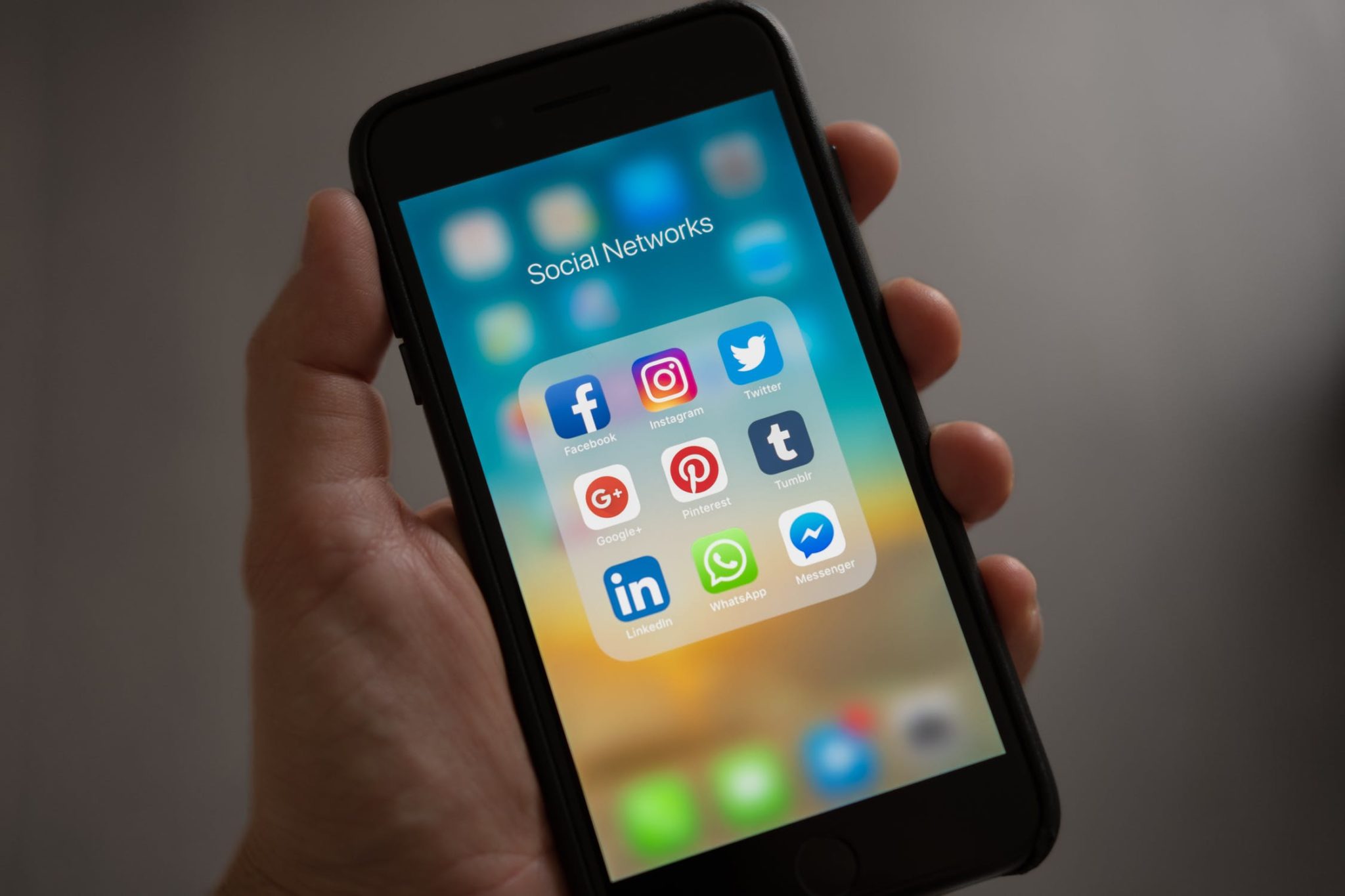
Each platform has its own audience and strengths, and you don't need to be on all of them — you need to be where your customers are. The major ones:
- ✓ Facebook. The broadest reach across age groups, with powerful ad targeting. Strong for community, local businesses and paid campaigns.
- ✓ Instagram. Highly visual and product-friendly, ideal for brands with strong imagery and a younger-to-mid audience. Reels drive big organic reach.
- ✓ TikTok. Short-form video with enormous organic potential, best for brands willing to be creative and authentic.
- ✓ LinkedIn. The platform for B2B — reaching professionals, generating leads and building authority in your industry.
- ✓ YouTube. Long-form and short-form video; powerful for education, demonstrations and building trust at depth.
Facebook and Instagram, both owned by Meta, share the same powerful ad engine — which is why they're the starting point for most businesses running paid social. Our Meta Ads service focuses there precisely because that's where the targeting and the returns are strongest for the widest range of businesses.
We'll review your social and show the gaps in a free audit.
As a Meta Business Partner, our team reviews your organic presence and paid campaigns, then shows you where the revenue is hiding. Get a free audit and a plan tailored to your goals — no obligation.
How it drives revenue, not vanity
The biggest trap in social media marketing is chasing vanity metrics — likes, followers and views that feel good but don't pay the bills. A big following means little if it never converts. The goal is revenue, and that changes how you measure success.
Social drives real revenue when it's tied to business outcomes rather than applause. That means tracking the metrics that matter:
- Leads and enquiries generated from your content and ads — actual people raising their hand.
- Conversions and sales you can trace back to social, so you know what each dollar returns.
- Return on ad spend (ROAS) for paid campaigns — the clearest measure of whether the money is working.
- Cost per lead or sale, so you can compare social against your other channels and invest where it pays.
Get the targeting, creative and offer right and the numbers can be transformative — across our paid work we've delivered returns as high as 14.5× ROAS for clients. The point isn't that every account hits that figure; it's that social is a measurable performance channel, not a popularity contest, and it should be judged on revenue.
How to get started
Getting started with social media marketing is less about doing everything and more about doing the right things in order. Begin with strategy, not posting: who is your customer, which platform are they on, and what do you want them to do? Clarity here saves months of aimless content.
From there, a sensible first 90 days looks like: pick one or two platforms where your audience actually is, post consistently to build a credible presence, then layer in a small paid budget to test which messages and offers convert. Measure against leads and sales — not likes — and double down on what works. Start focused, prove it, then scale.
Since 2013 we've helped Australian businesses turn social from a time sink into a genuine sales channel, and we're a Meta Business Partner. If you'd like a clear read on where your social is leaking attention versus driving revenue, our social media team can show you, in plain English.
Frequently asked questions
What is social media marketing?
Social media marketing is the use of platforms like Instagram, Facebook, LinkedIn and TikTok to promote your business, build your brand and drive sales. It has two halves: organic, the free posts and content you share, and paid, the ads you run to reach a targeted audience. The goal is real business outcomes — leads and customers — not just likes.
What is the difference between organic and paid social media?
Organic social is everything you post for free, like feed posts, stories and reels; it builds brand, trust and community over time. Paid social is the ads you pay to put in front of a precisely targeted audience; it's fast, scalable and measurable. Organic is the relationship and paid is the reach — the best strategies use both together.
Does social media marketing actually drive sales?
Yes, when it's measured on revenue rather than vanity metrics. Social drives sales when it's tied to outcomes like leads, conversions, cost per lead and return on ad spend, not likes and follower counts. Get the targeting, creative and offer right and the returns can be significant — we've delivered as high as 14.5× ROAS for clients on paid campaigns.
Which social media platform should my business use?
Use the platform where your customers already are rather than trying to be everywhere. Facebook offers the broadest reach and strong ad targeting, Instagram suits visual and product brands, TikTok rewards creative video, and LinkedIn is the platform for B2B. Most businesses running paid social start with Facebook and Instagram because Meta's ad engine offers the strongest targeting and returns.
How do I start with social media marketing?
Start with strategy, not posting: identify your customer, the platform they use, and the action you want them to take. Then pick one or two platforms, post consistently to build a credible presence, and add a small paid budget to test what converts. Measure against leads and sales, not likes, and scale what works.