Social media marketing for ecommerce: how to turn followers into sales
For an online store, social media is a storefront, a discovery engine and a sales channel rolled into one. Here's how we use it to drive traffic and revenue for ecommerce brands — the content that converts, the platforms that pay off, and the role of paid social.
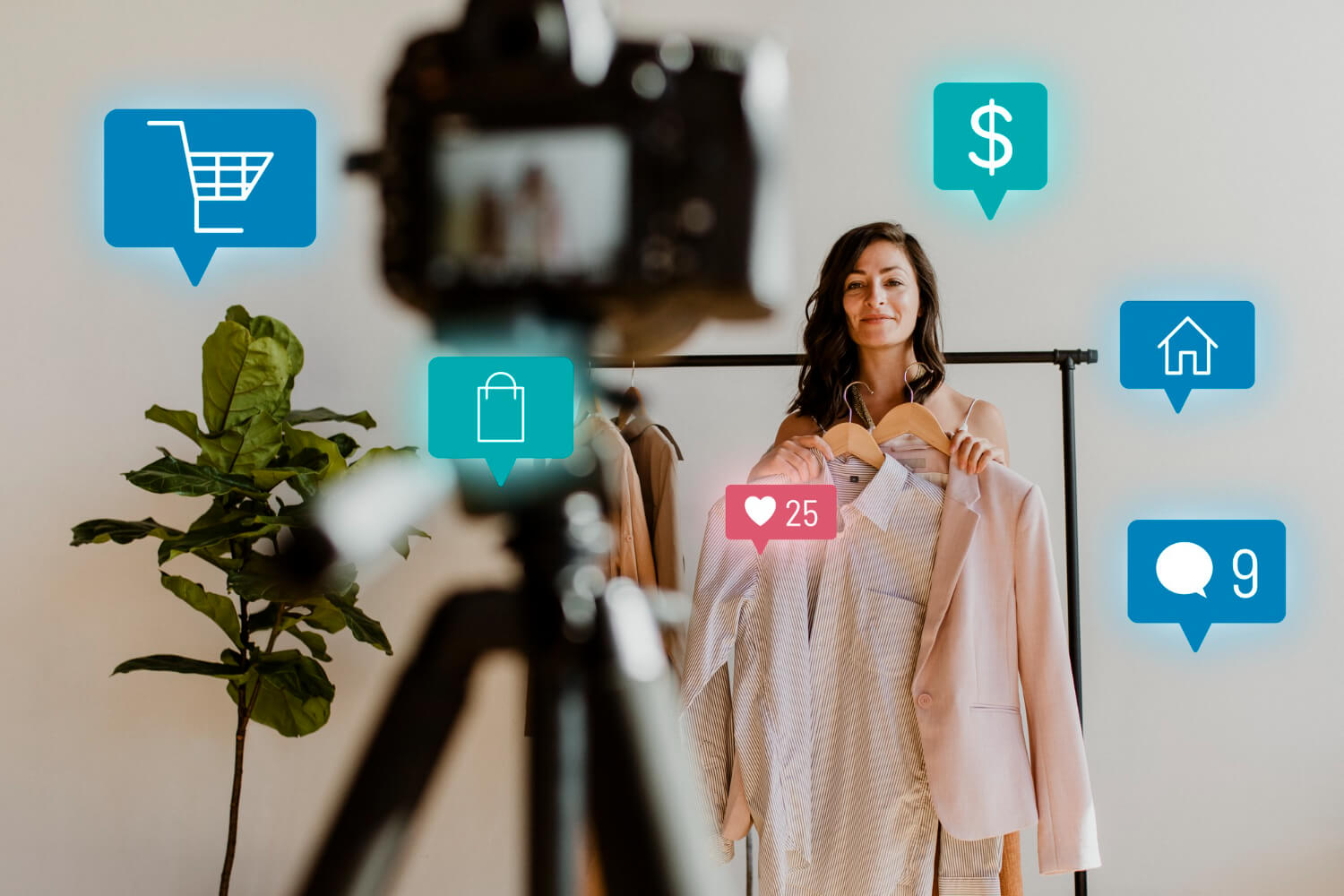
Social media marketing for ecommerce is the practice of using platforms like Instagram, Facebook and TikTok to build brand awareness, engage customers and drive sales for an online store. For ecommerce specifically it does triple duty — it's a storefront, a discovery engine and a direct sales channel rolled into one, often the place a customer first meets your brand and the place they buy.
This is how our social and paid social team uses it to turn followers into revenue for ecommerce brands — the content that converts, the way to drive store traffic, and where paid spend fits in.
For a physical store, social builds awareness. For an online store, the path from "saw the post" to "bought the product" can be two taps. That short distance is your biggest advantage — design for it.
Why social media and ecommerce fit together
Ecommerce and social media grew up together. As online shopping matured, platforms like Instagram and Facebook evolved from networking sites into genuine marketplaces with shopping, checkout and discovery built in. The result is a uniquely tight loop: customers discover, research, engage and purchase without ever leaving the app — or with a single tap through to your store.
That makes social one of the most direct revenue channels an online store has, not just a branding exercise.
What social media delivers for online stores
- Reach and brand awareness. Social platforms put your products in front of huge, targetable audiences you'd never reach organically through search alone.
- Engagement and loyalty. Regular interaction and personalised content build a loyal customer base that buys again.
- Customer insight. Social listening reveals what customers actually want, so you can tailor products, offers and messaging.
- Cost-effectiveness. Compared with traditional advertising, social marketing is affordable and can deliver a strong return on investment.
- Traffic and sales. Combined with ecommerce SEO, social drives qualified visitors to your store and converts them into orders.
Content that actually converts
Content is the engine, but for ecommerce it has to do more than look nice — it has to move people toward a purchase. The strongest mix blends emotion, information and engagement:
- Storytelling. Content that tells a story creates an emotional connection and showcases your brand's personality and values — the things that make a relatable, memorable brand.
- Video and live streams. Dynamic, visual and authentic, these are among the most engaging formats and ideal for showing products in use.
- Images and infographics. Crisp product imagery sells; infographics make information easy to digest at a glance.
- Interactive content. Polls, quizzes and user-generated campaigns invite participation and build community around the brand.
- Educational content. How-to guides, tutorials and FAQs add value and position your store as the go-to resource in its category.
The throughline is consistency and relevance — regular content tied to current trends keeps your brand present in feeds and front of mind when it's time to buy.
Driving traffic from social to your store
Awareness only pays when it converts to store visits. A few tactics reliably move people from feed to checkout:
- ✓ Lead with great content. Nothing drives traffic without compelling content behind it — show the best of your brand and products first.
- ✓ Use stories and short video. Platform algorithms limit how many followers see a standard post, so stories and short video are powerful ways to announce new products and link straight to them.
- ✓ Make the path obvious. Use shoppable posts, clear links and product tags so the route from interest to purchase is as short as possible.
- ✓ Engage genuinely. Commenting, replying and building rapport humanises the brand and earns the trust that precedes a sale.
Where paid social fits
Organic reach for business pages has fallen sharply over the years — if your posts get a fraction of the engagement they once did, that's why. Paid social fills the gap. Meta Ads (Facebook and Instagram) let you put the right products in front of precisely the right audience, retarget people who browsed but didn't buy, and scale what's working.
Paid social is also where the most powerful ecommerce tactics live — retargeting abandoned carts, lookalike audiences built from your best customers, and dynamic product ads. It's not a replacement for organic content; it's the amplifier that turns good content into predictable sales. For how paid social compares with search advertising, see our guide to Google Ads vs Facebook Ads.
We'll turn your social channels into a sales engine starting with a free audit.
A senior strategist reviews your store, content and paid social, then maps the plan most likely to lift revenue — yours to keep, no obligation.
Tailoring content to each platform
Each platform has its own audience and strengths, so the same content rarely works everywhere. Instagram rewards polished, visual product content and shopping features; TikTok rewards authentic short video; Facebook suits community, offers and a broad demographic. Tailor format and tone to each rather than cross-posting identical content, and you'll get far more from the same effort.
Measuring what works
Treat social as a performance channel, not a vanity one. Use analytics to see which content drives traffic, engagement and — most importantly — sales, then make data-driven adjustments. Track the journey from social visit to purchase so you know which posts and campaigns actually earn revenue, and double down there.
Done with strategy, content and measurement working together, social media stops being a place you "have to be" and becomes one of your store's most reliable sources of growth. If you'd like a partner to run it, that's exactly what we do.
Frequently asked questions
Why is social media marketing important for ecommerce?
Social media is important for ecommerce because it acts as a storefront, discovery engine and sales channel at once. Platforms like Instagram, Facebook and TikTok let online stores reach huge targeted audiences, engage customers, and convert interest into purchases — often in just a tap or two — making it one of the most direct revenue channels available.
Which social media platform is best for ecommerce?
It depends on your products and audience. Instagram suits polished, visual product content and shopping features; TikTok rewards authentic short video; Facebook works well for community, offers and broad reach. Most successful stores use several, tailoring content to each platform's strengths rather than cross-posting identical content.
How do I drive traffic from social media to my online store?
Drive store traffic by leading with compelling content, using stories and short video to announce products and link to them directly, adding shoppable posts and product tags to shorten the path to purchase, and engaging genuinely to build trust. Paid social then amplifies what's already working organically.
Is organic social media enough for ecommerce, or do I need paid ads?
Organic reach for business pages has fallen sharply, so most ecommerce brands need paid social to scale. Paid ads on Meta let you target precisely, retarget shoppers who didn't buy, and run dynamic product ads. Organic content builds the brand; paid social amplifies it into predictable, measurable sales.