How Apple's iOS privacy changes reshaped paid social (and what to do now)
Apple's App Tracking Transparency turned Facebook and Instagram advertising upside down — and the change is permanent. Here's what actually happened to targeting and measurement, and the setup we use to keep paid social accountable.
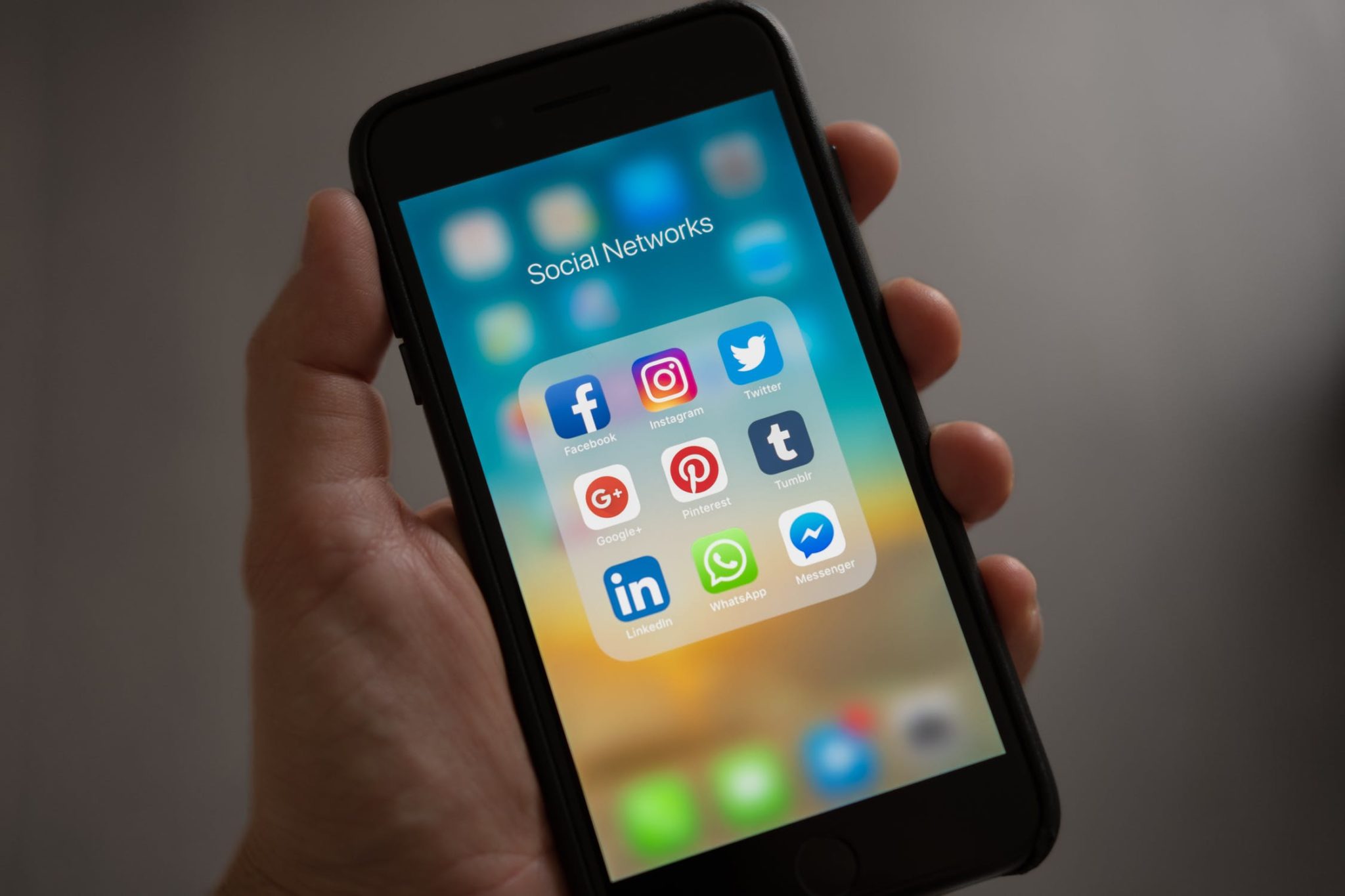
Apple's iOS 14.5 update introduced App Tracking Transparency (ATT), which forces every app — including Facebook and Instagram — to ask permission before tracking you across other apps and sites. Most people said no. That single prompt reduced the data flowing into platforms like Meta and permanently changed how precisely paid social can target and measure.
When this first landed there was a lot of noise and not much certainty. Years on, the picture is clear, and the lesson is bigger than one update: privacy-first advertising is now the permanent reality. Here's what happened, and the practical setup we run so Meta Ads stay accountable in spite of it.
Less third-party data means looser targeting and blurrier reporting. The fix isn't a trick — it's clean first-party tracking, server-side measurement and judging campaigns on real business outcomes, not platform-reported conversions alone.
What changed and why
For years, advertising platforms relied on tracking users across the apps and websites they visited to build rich profiles and attribute conversions. Apple's ATT made that opt-in rather than opt-out. Faced with a clear "allow tracking?" prompt, the large majority of users declined — so the data platforms depend on shrank dramatically.
This wasn't a bug to wait out. It reflects a durable shift in user expectations and regulation toward privacy. Google has since moved in the same direction. Any plan that assumed tracking would come back was always going to be disappointed.
The IDFA, in plain English
Every Apple device carried an advertising identifier called the IDFA (Identifier for Advertisers) — effectively a code that let advertisers recognise a device across different apps to personalise ads and measure campaigns. Android has an equivalent. The IDFA is what made cross-app targeting and frequency capping (limiting how often someone sees the same ad) possible.
ATT changed access to the IDFA from opt-out to opt-in. In practice, that meant platforms could rely on it for only a fraction of the users they used to — gutting it as a precise targeting and attribution tool on iOS.
What it did to targeting
Meta itself warned at the time that revenue from its Audience Network — ads served outside Facebook and Instagram — would take a meaningful hit. The biggest damage landed on apps and the open programmatic web, where targeting leaned hardest on cross-app identifiers.
Facebook and Instagram themselves fared better than the doom-mongers predicted, because they hold enormous first-party data: people are logged in, engaging, telling the platform who they are. That in-platform signal is far more resilient. But the era of pinpoint, cheap cross-app targeting on iOS ended.
The measurement problem
The quieter, more painful change was measurement. With less tracking, platforms can attribute fewer conversions back to the ad that drove them. Reports under-count results, conversion windows shrank, and the tidy attribution marketers had grown used to became fuzzy.
This is why so many advertisers panicked when their dashboards showed fewer conversions in 2021 — often the sales were still happening, the platform just couldn't see all of them. Judging performance on platform-reported numbers alone became unreliable.
How we keep paid social accountable
The response isn't a clever workaround — it's better fundamentals. This is the setup we run for clients in a privacy-first world:
- ✓ Server-side tracking. We implement Meta's Conversions API so conversions are sent from your server, not just the browser — more reliable measurement that survives ATT far better than the pixel alone.
- ✓ Verify your domain and configure events. Meta's Aggregated Event Measurement caps you at eight tracked events per domain, so we prioritise the ones that map to revenue and set them up deliberately.
- ✓ Lean on first-party data. Capturing emails and building your own audiences matters more than ever — it's data you own, not data Apple can switch off. Email and CRM-based audiences are now core, not optional.
- ✓ Judge on real outcomes. We reconcile platform numbers against your actual sales, revenue and blended cost per acquisition, rather than trusting in-platform conversions in isolation.
- ✓ Broaden targeting and trust the algorithm. With less manual targeting signal available, broader audiences plus strong creative and clean conversion data often outperform the narrow targeting that used to win.
Strong creative does a lot of the heavy lifting now, too — when targeting is blunter, the ad itself has to earn the click. It's the same trust-first thinking we apply across paid media.
We'll rebuild your paid social for a privacy-first world starting with a free audit.
A senior strategist reviews your tracking, measurement and campaigns and shows where your Meta Ads are leaking results — yours to keep, whether or not you work with us.
Where this leaves you
Paid social still works, and it still delivers strong ROI — but the winners are the advertisers who adapted to privacy rather than waited for the old days to return. Clean first-party data, server-side measurement and outcome-based judgement are the new baseline.
If you're weighing where paid social fits against search, our breakdown of Google Ads versus Facebook Ads is a useful next read. And if your Meta results have drifted since the privacy changes, that's exactly what we untangle in a free audit.
Frequently asked questions
How did Apple's iOS 14 update affect Facebook ads?
Apple's App Tracking Transparency made cross-app tracking opt-in, and most users declined. That shrank the data Facebook and Instagram use to target and measure ads, loosening targeting precision and causing platforms to under-report conversions. The ads still work — measurement and pinpoint targeting just got harder on iOS.
What is the IDFA?
The IDFA (Identifier for Advertisers) is a code on Apple devices that let advertisers recognise a device across different apps to personalise ads and measure campaigns. Apple's iOS 14.5 update made access to it opt-in, so platforms can now use it for only a small fraction of iOS users.
Is Facebook advertising still worth it after the privacy changes?
Yes. Facebook and Instagram hold huge first-party data because users are logged in and engaged, so in-platform targeting stayed resilient. With server-side tracking, clean event setup and judgement based on real sales, paid social still delivers strong ROI — the approach just has to be privacy-first.
What is the Conversions API?
Meta's Conversions API sends conversion data from your server rather than only from the browser pixel. Because it doesn't depend on browser tracking, it captures conversions far more reliably after Apple's privacy changes — which is why we treat it as essential setup for accurate Meta Ads measurement.
How do you measure paid social accurately now?
Combine server-side tracking (Meta's Conversions API), a verified domain with prioritised events, and first-party email or CRM audiences, then reconcile platform-reported results against your actual sales and blended cost per acquisition. Judging campaigns on real business outcomes — not platform conversions alone — is the reliable approach.