The future of SEO: the trends shaping search in 2026
Search is changing faster than it has in a decade — AI answers, intent over keywords, and experience signals are reshaping what ranks. Here are the SEO trends our team is building around for clients, and what to do about each one now.

The biggest SEO trend shaping 2026 is the rise of AI-powered search — AI Overviews, ChatGPT, Perplexity and Claude now answer a large share of queries directly, which changes what "ranking" even means. Alongside it: search intent matters more than keywords, E-E-A-T and trust signals are decisive, page experience is a genuine ranking factor, and local, voice and video search keep growing. The throughline is that Google rewards genuinely helpful content for real people more than ever.
Search evolves every year, but the shift underway now is the most significant in a decade. Staying ahead of it is the difference between visibility and irrelevance. Here are the trends our team is building around for SEO clients — and what to do about each one.
The fundamentals haven't changed — useful content, good experience, real authority. What's changed is the surface: you're now optimising to rank in Google and to be the answer an AI engine quotes. Same discipline, new formats.
AI search and answer engines (AEO)
The headline shift. AI Overviews increasingly sit above the classic blue links, and AI assistants answer questions outright, sending qualified traffic of their own. Being cited by these engines is the new front line — what we call Answer Engine Optimisation. It rewards content written as clear, self-contained answers, backed by strong authority and clean structured data, rather than keyword density.
What to do: write direct answers to the real questions people ask, add schema so engines can parse you, and build the authority that makes you a credible source. For the full picture, see how AI search is changing SEO.
Search intent over keywords
Search engines now understand why someone is searching, not just the words they typed. Optimising for the intent behind a query — what the person actually wants to do or know — beats optimising for the keyword string. Content built around questions and needs out-performs content stuffed with target terms.
What to do: map intent before you write, and shape each page around the job the searcher is trying to get done. Our keyword research process puts intent first.
E-E-A-T and trust
As AI and machine learning make search more sophisticated, Google leans harder on signals that content comes from real, credible sources: experience, expertise, authoritativeness and trust. It matters most for money and health topics, but it lifts everything — and it's central to whether AI engines trust you enough to cite you.
What to do: put named, qualified authors behind your content, show genuine first-hand experience, cite sources, and build a brand Google can verify. See crafting people-first content for E-E-A-T.
Experience signals: speed, mobile, UX, structured data
Google wants to send people to pages that are fast, easy and pleasant to use, so page experience is a real ranking factor. Core Web Vitals and page speed, mobile-first design, clean UX and structured data all feed it — and they compound, because a better experience also lifts conversions.
- Speed — fast pages rank better and convert better. See our speed optimisation guide.
- Mobile-first — Google indexes your mobile site first, so responsive, fast and easy to navigate on a phone is non-negotiable.
- Structured data — schema markup helps Google and AI engines understand and surface your content, and increasingly decides who gets cited.
We'll show you where you stand in a free audit.
A senior strategist reviews your site against where search is heading — AI, intent, experience and authority — and hands you a prioritised plan. Yours to keep, whether or not you work with us.
Local, voice and video keep growing
Three formats keep gaining share and deserve a place in your plan.
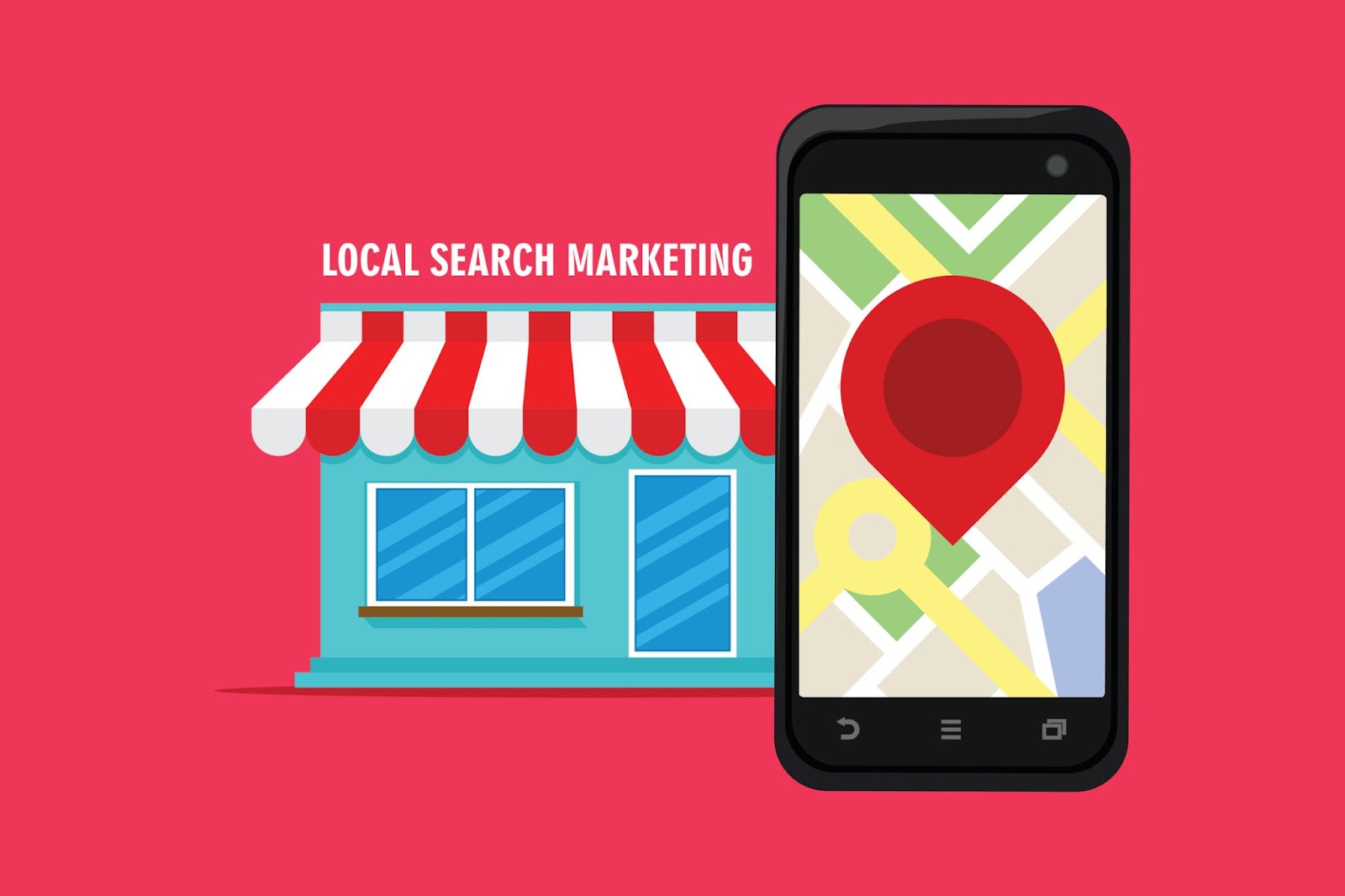
- Local search — a large majority of users will only consider a business they can find online, and local results keep getting more prominent. Optimise your Business Profile and local presence; see local SEO for small businesses.
- Voice search — more people search by speaking to assistants, using longer, conversational phrasing. Answer those natural-language questions directly.
- Video — video consumption keeps rising, and optimised video (clear titles, descriptions, transcripts) earns visibility text alone can't.
"Every SEO trend in 2026 points the same way: be genuinely useful to a real person. The tactics change; that principle doesn't.
— Whitehat SEO playbook
What to do now
You don't need to chase every trend at once. Start where the leverage is: make your content genuinely the best answer to a real question; get your technical experience right (speed, mobile, schema); build authority through E-E-A-T and quality links; then structure content so both Google and AI engines can surface it.
Businesses that adapt to where search is heading will compound their visibility; those that cling to 2020 tactics will quietly fade. If you'd rather have a team keep you ahead of it, that's exactly what we do — see how it plays out for our clients.
Frequently asked questions
What is the future of SEO?
The future of SEO is being reshaped by AI-powered search — AI Overviews and assistants like ChatGPT and Perplexity answer queries directly — alongside a stronger focus on search intent, E-E-A-T and trust, page experience, and growing local, voice and video search. The constant is that genuinely helpful, credible content for real people wins.
Will AI replace SEO?
No, but it's changing it. AI search engines answer many queries directly, so SEO now includes optimising to be the source an AI cites — Answer Engine Optimisation. The fundamentals (useful content, good experience, real authority) still apply; the difference is writing clear, self-contained answers with clean structured data so engines can surface you.
What is the most important SEO trend in 2026?
The most important SEO trend in 2026 is the rise of AI-powered search. AI Overviews increasingly appear above traditional results and AI assistants send their own qualified traffic, so being cited by these engines is the new front line. It rewards direct answers, strong authority and structured data over keyword density.
How do I keep up with SEO changes?
Focus on fundamentals that survive every update: genuinely useful content, fast and mobile-friendly pages, real authority and E-E-A-T, and clean structured data. Map content to search intent, watch what AI engines actually answer for your topics, and review your strategy regularly rather than chasing every short-lived tactic.
Is local SEO still important in 2026?
Yes, more than ever. A large majority of users will only consider a business they can find online, and local results keep getting more prominent in search and on Google Maps. Optimising your Google Business Profile, local keywords, reviews and local links remains one of the highest-ROI activities for any local business.