Why SEO is still king in 2026 — and harder than it looks
SEO gets declared dead every couple of years, then quietly outperforms everything else. Here's why organic search still drives the highest-ROI traffic in 2026, why it's harder than ever, and what actually moves the needle now.
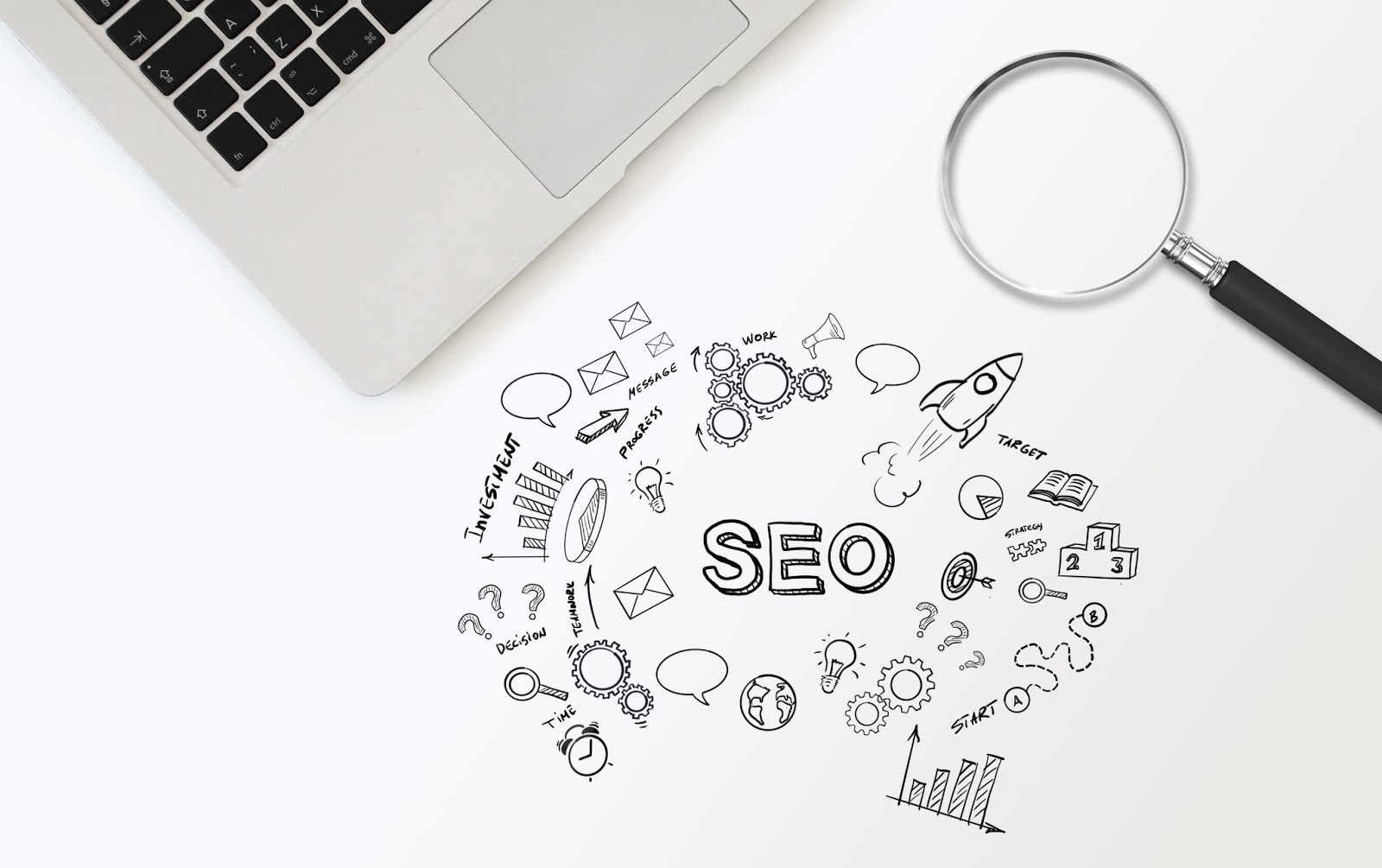
SEO — search engine optimisation — is still the highest-ROI marketing channel for most businesses in 2026 because it captures people at the moment they're actively searching for what you sell, and it compounds: the traffic keeps coming long after the work is done. It gets declared dead every couple of years, and every couple of years it quietly outperforms the things that were supposed to replace it. We've built our SEO practice on that durability.
But "still king" doesn't mean "easy". Google's standards have risen sharply, AI is reshaping the results page, and the bar for ranking is higher than it's ever been. This is the honest picture: why SEO still wins, and why it's harder than it looks.
The old line "content is king" was always slightly wrong. Content with no SEO goes nowhere; SEO is what gets it found. And in 2026, being the answer an AI engine cites matters as much as ranking blue links.
Why SEO is still king
The reason SEO endures is structural, not faddish. Search is still how people find solutions — they reach for Google (and now AI assistants) out of habit and trust the results to point them somewhere credible. Organic search consistently sends more qualified traffic to most sites than social, and it does so without paying for every click.
Crucially, the intent is built in. Someone searching "emergency plumber Parramatta" isn't browsing — they're ready to act. Capturing that demand at the moment it appears is what makes search such a profitable channel, and why we'd back it ahead of almost anything else for durable growth.
The case for organic search
Paid ads stop the moment you stop paying. Organic rankings, once earned, keep working — which is why organic SEO tends to deliver the strongest return on investment of any marketing channel over time. We've always favoured it for three reasons:
- It compounds. An organic SEO programme behaves like a living asset — it grows, expands and strengthens over time, so the traffic and the return build month on month rather than resetting.
- It builds credibility. Users increasingly trust businesses that rank organically over those who only buy their way to the top. A strong organic presence signals legitimacy and reputation.
- It out-earns the alternatives per dollar. Because organic visitors are actively searching for what you offer, the traffic converts — and you're not paying for each click, so the long-run economics are hard to beat.
None of this means ignore paid. The strongest strategies run search and ads together — see how we think about an integrated SEO and PPC strategy. But organic is the foundation that keeps paying after the campaign ends.
Why most businesses stay invisible
If appreciating SEO were the same as doing it, every business would rank. The reality is that the battle for the first page is fiercer than ever, and most sites stay buried for a few recurring reasons. Identifying which apply to you is the first step.
- ✓ A weak technical foundation. Slow hosting, missing security, poor reliability and sluggish load times all drag rankings down. Google rewards fast, secure, dependable sites — the basics are non-negotiable.
- ✓ Outdated tactics. The web has moved to mobile-first and conversational, voice and AI-led search. Sites still built for a decade-old playbook quietly slide down the rankings.
- ✓ The wrong keywords. Chasing broad, hyper-competitive head terms while ignoring specific, winnable long-tail and local phrases wastes effort. The right targets convert faster and rank sooner.
- ✓ You haven't told Google you exist. A complete Google Business Profile, genuine reviews and Search Console all help Google find, trust and rank you. Skip them and you're making it hard for Google to help you.
Fixing these is rarely glamorous, but it's where the fastest gains hide. We map exactly which are holding a site back in every free audit.
SEO turns external demand into traffic
Here's a connection many businesses miss: SEO doesn't just capture people already searching for your category — it captures the demand your other marketing creates. A social campaign, a podcast mention, a billboard or a creator post sparks curiosity, and the first thing an interested person does is search.
If your site ranks for your brand name and for the category terms they'll reach for, you catch that interest and convert it. If it doesn't, you've paid to send a warm prospect to a competitor. So SEO is the engine that turns awareness from every channel — including paid social — into traffic that actually lands on you.
"Every other channel creates demand. SEO is what decides whether that demand finds you or your competitor when the person finally types the query.
— Whitehat SEO playbook
Rankings aren't the goal — conversions are
Plenty of people equate SEO with ranking number one. But a top ranking that brings traffic which never converts is a busy shop full of window-shoppers and no sales. The real measure of SEO is revenue, not position. That shift — from chasing rankings to engineering conversions — is what separates SEO that pays from SEO that just looks good in a report.
Conversion-focused SEO means a few things working together:
- A fast, mobile-first site. Visitors abandon slow pages, and most traffic is mobile. Speed and mobile experience protect every conversion you've earned.
- Content that matches intent and resolves the question, then guides the reader toward the next step rather than leaving them stranded.
- Clear calls to action that stand out and tell the visitor exactly what to do next.
- Trust signals — reviews, testimonials and real case studies — that reassure a sceptical visitor.
- Behaviour tracking so you can see where visitors drop off and fix it with data, not guesswork.
Optimise for buyers, not just positions, and SEO becomes a sustainable growth engine — one that drives genuine business results instead of vanity metrics. We go deeper on this in our guide to measuring SEO success.
We'll show you exactly where the growth is in a free audit.
A senior strategist audits your search performance and hands you a 90-day priority plan focused on conversions — yours to keep, whether or not you work with us.
Why it's harder than it looks
SEO looks simple from the outside — throw in some keywords and wait. In reality, modern SEO has many moving parts, each a project in its own right. Google's frequent updates spell out what it wants, but delivering on it is the hard part. The main pillars:
- High-quality, people-first content that genuinely answers a need — which starts with knowing your audience and their intent.
- Technical health and page experience — fast loading, smooth interactivity and visual stability, all of which Google measures and rewards.
- Mobile-first design, now the baseline rather than a bonus.
- On-page optimisation — metadata, schema and a deliberate internal link structure. In our experience this is what clients struggle with most.
- Authoritative, relevant backlinks, earned with content worth linking to — still one of the strongest and hardest ranking signals.
- AI and answer-engine readiness — structuring content so ChatGPT, Perplexity and Google's AI Overviews cite you, which is fast becoming as important as ranking itself.
Each of these is a discipline. Doing one well moves the needle a little; doing all of them in concert is what produces durable rankings. That's why SEO rewards consistency and expertise over quick fixes.
Doing it yourself vs getting help
Plenty of the work above can be done in-house, and we'd encourage any business owner to understand the fundamentals. But there's a reason SEO is often compared to a craft that looks effortless from the outside and is anything but — keeping pace with algorithm updates, AI shifts and the technical detail is a full-time job.
People assume they can replicate what a specialist does and most never get there, because the work that compounds is unglamorous and relentless. Whether you build the capability internally or partner with an agency, the key is treating SEO as the long-term, conversion-focused investment it is. Done that way, it remains exactly what it's always been: the most reliable growth channel a business can own.
Frequently asked questions
Is SEO still worth it in 2026?
Yes. SEO is still the highest-ROI channel for most businesses because it captures people at the moment they're searching for what you sell, and rankings keep working long after the work is done. In 2026 it also extends to being the answer AI engines cite, making it more valuable, not less.
Why is organic SEO better than paid ads?
Paid ads stop delivering the moment you stop paying, while organic rankings keep generating traffic once earned — so organic SEO compounds and tends to deliver stronger long-run ROI. It also builds credibility, since users increasingly trust businesses that rank organically over those who only buy their way to the top.
Why isn't my business showing up on Google?
Usually one of four reasons: a weak technical foundation (slow or insecure hosting), outdated tactics that ignore mobile and AI search, targeting the wrong keywords, or not telling Google you exist via a complete Google Business Profile and Search Console. Fixing these basics is where the fastest gains hide.
Are rankings or conversions more important in SEO?
Conversions. A number-one ranking that brings traffic which never buys is like a busy shop with no sales. The real measure of SEO is revenue, so the best programmes optimise for buyers — fast mobile sites, intent-matched content, clear calls to action and trust signals — not just for position.
Why is SEO so hard to do well?
Modern SEO has many moving parts — quality content, technical health and page experience, mobile-first design, on-page optimisation, authoritative backlinks, and now AI-answer readiness — each a discipline in itself. Doing one helps a little; doing all of them together, while keeping pace with algorithm updates, is what produces durable rankings.