SEO and PPC together: why an integrated strategy wins
SEO versus PPC is the wrong question. Run them together and each makes the other stronger — more visibility, sharper keyword data, higher conversions. Here's how an integrated SEO and Google Ads strategy works, and the benefits our team sees when they're combined.
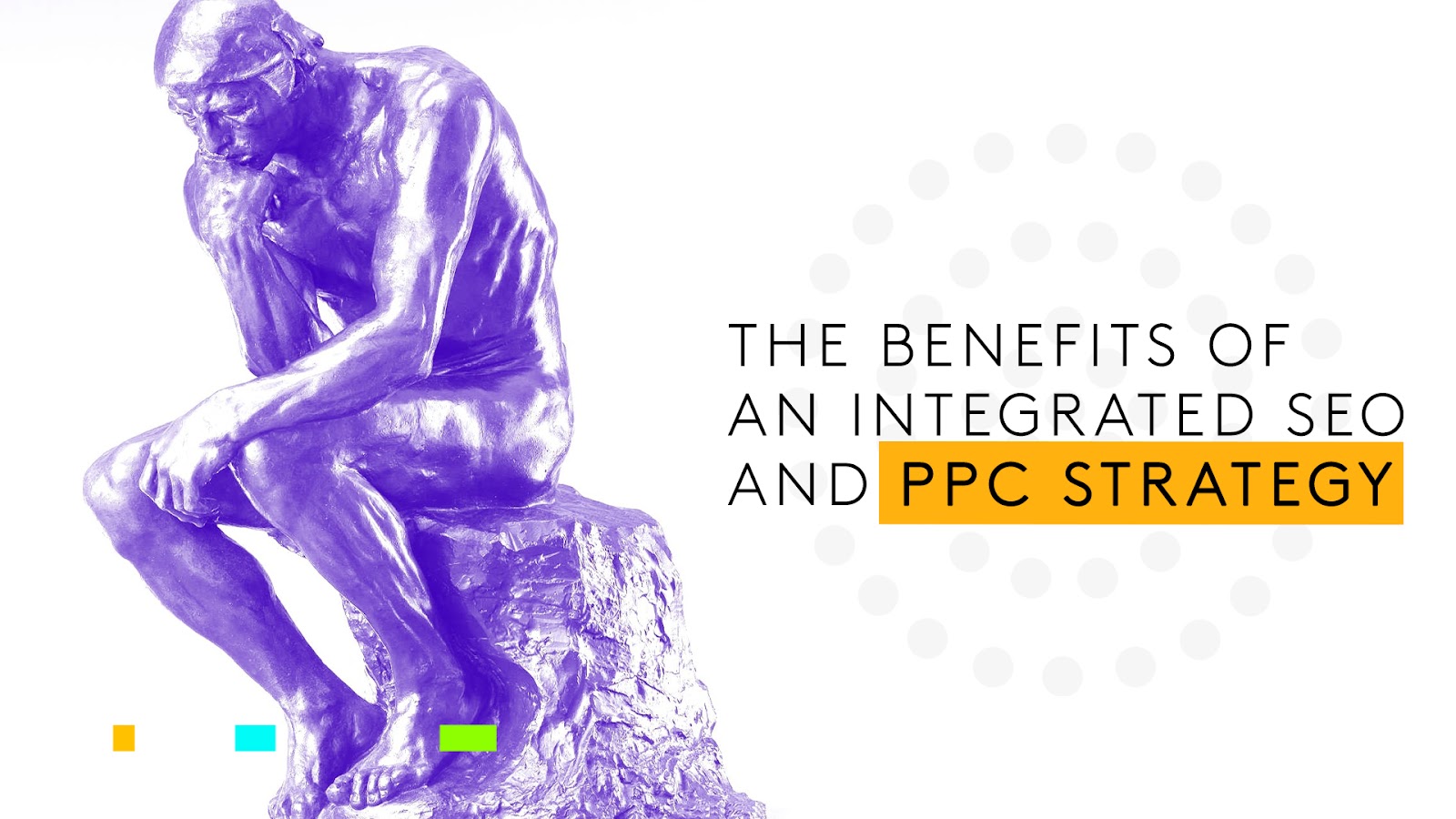
An integrated SEO and PPC strategy means running search engine optimisation and paid search together as one coordinated approach — and it consistently beats running either alone. The benefits stack up: more space on the results page, shared keyword and conversion data, sharper targeting, higher click-through and conversion rates, and richer insight into what's actually working. The old "SEO vs PPC" debate misses the point — they're strongest as a pair.
Most businesses treat SEO and Google Ads as separate, competing line items, and focus on one at a time. That leaves value on the table. Here's how the two reinforce each other, and what an integrated approach delivers.
SEO gives you durable organic presence; PPC gives you instant, controllable reach and fast data. Together they cover each other's weaknesses — slow-to-start SEO and pay-per-click costs — and dominate the page while doing it.
SEO and PPC, briefly defined
SEO optimises your site and content to rank organically — keyword research, on-page work, technical fixes and link building — to grow organic traffic over time. It's slower to start but durable and cheap to maintain once you rank.
PPC (pay-per-click, mostly Google Ads) is paid advertising where you bid on keywords and pay each time someone clicks. Ads appear above the organic results, driving targeted traffic instantly. It's fast and controllable, but you pay for every click, and competition pushes prices up.
It's not one or the other
Businesses often pick a side, but SEO and PPC do different jobs and complement each other. The smartest move is to run a fast-paced ad campaign in synergy with a long-term SEO plan: SEO secures organic positions on page one, while ads add visibility and cover the keywords you don't yet rank for organically. Reframe "SEO vs PPC" as "SEO and PPC" — and watch them compound.
Worth knowing: in most accounts we audit, roughly 80% of the Google Ads spend is wasted and only 20% is driving returns. Cutting the dead weight is where managed PPC earns its fee. For the deeper comparison, see SEO, SEM and PPC explained.
The benefits of integrating SEO and PPC
- ✓ More real estate on the SERP. Appearing in both paid and organic results lets you own more of the page — especially valuable for competitive terms you can't yet rank for organically.
- ✓ Sharper keyword research. Keywords matter to both. PPC reveals which terms convert fast, and you can feed that data straight into your SEO strategy — and vice versa.
- ✓ Better targeting and personalisation. PPC targets by location, demographics and interests, so you can tailor messaging to specific audiences and lift relevance and ROI.
- ✓ Higher click-through rates. A presence in both paid and organic results makes your brand look more credible, lifting overall clicks.
- ✓ Higher conversion rates. Consistent messaging across paid and organic builds trust, so more visitors convert.
- ✓ Richer data. Both channels report on user behaviour and performance; combined, they give a fuller picture of what drives traffic and conversions, informing your whole marketing strategy.
How Google Ads affects organic search
The two channels influence each other in ways worth understanding — which is exactly why coordinating them pays.
- Visibility and brand awareness. Ads sit at the top of the page, so people see your brand repeatedly. That recognition makes them more likely to click your organic listing later.
- Keyword insight. Ad data shows which keywords genuinely drive traffic and conversions — gold for prioritising SEO content.
- Click-through behaviour. Appearing in both paid and organic results reinforces credibility and can lift total clicks, even though some users still prefer organic listings for in-depth research.
- The competitor factor. If rivals bid heavily, they capture top-of-page space — so even strong organic rankings can lose clicks. Ads help you hold your ground.
- Quality Score synergy. Strong, relevant content (good for SEO) improves your ad Quality Score, which can lower your cost-per-click and lift ad positions. SEO literally makes your ads cheaper.
"Run SEO and PPC in silos and you pay twice for half the insight. Run them together and each one makes the other cheaper and sharper.
— Whitehat growth playbook
We'll map an integrated search strategy in a free audit.
A senior strategist reviews your organic and paid search together, finds where they should reinforce each other, and hands you a prioritised plan — yours to keep, whether or not you work with us.
How to run them together
Integration is about coordination, not just doing both. A few principles make it work.
- Share keyword data both ways. Use ad performance to find proven converting terms for SEO content, and use organic ranking gaps to focus ad spend.
- Keep branding and messaging consistent across paid and organic snippets, so the experience is cohesive and trust builds.
- Match channel to intent. Lean ads toward transactional queries ready to convert; lean SEO toward informational and navigational queries that build authority.
- Monitor and adapt continually. Search isn't set-and-forget — track both channels and shift budget and effort toward whatever's delivering the best ROI.
An integrated SEO and PPC strategy is one of the most effective ways to grow online visibility and conversions — each channel covers the other's gaps and sharpens its data. If you'd like a team to run them as one, that's our patch; see the results for our clients.
Frequently asked questions
What is the difference between SEO and PPC?
SEO optimises your site to rank organically over time — it's slower to start but durable and cheap to maintain once you rank. PPC is paid advertising where you bid on keywords and pay per click, appearing above organic results instantly. SEO builds lasting presence; PPC delivers fast, controllable, paid traffic.
Should I use SEO or PPC?
Use both, together. They do different jobs: SEO secures durable organic positions while PPC delivers instant reach and covers keywords you don't yet rank for. Running them as one integrated strategy gives you more visibility, shared data and higher conversions than either channel alone.
How do SEO and PPC work together?
SEO and PPC reinforce each other. PPC data reveals which keywords convert fast, informing your SEO content, while strong SEO content improves your ad Quality Score and lowers cost-per-click. Appearing in both paid and organic results increases visibility, credibility and click-through, and gives you a fuller picture of performance.
Does running Google Ads help organic SEO?
Indirectly, yes. Google Ads don't directly boost organic rankings, but they increase brand visibility and awareness that can lift organic click-through, provide keyword data that sharpens SEO, and help you hold top-of-page space against competitors. Strong SEO content also improves ad Quality Score, making your ads cheaper.
Is it more expensive to run SEO and PPC together?
Running both costs more upfront than one channel, but integration improves the ROI of each. PPC data makes SEO more targeted, and SEO content lowers your ad cost-per-click via better Quality Scores. The combined visibility, conversions and insight typically outweigh the extra cost for businesses serious about growth.
Does AdWords affect organic search results?
No. Paid spend does not lift organic rankings and Google is explicit about that. The indirect effects are real, though: ads generate brand searches, click data and conversion insight you can feed straight into your SEO keyword strategy. Running both also lets you own more of page one for the terms that matter most.