How to optimise for mobile SEO (the checklist we run for clients)
Google ranks your mobile site first, and more than half of all searches happen on a phone. Here's the mobile SEO checklist our team works through — responsive design, Core Web Vitals, local search and the experience details that quietly move rankings.
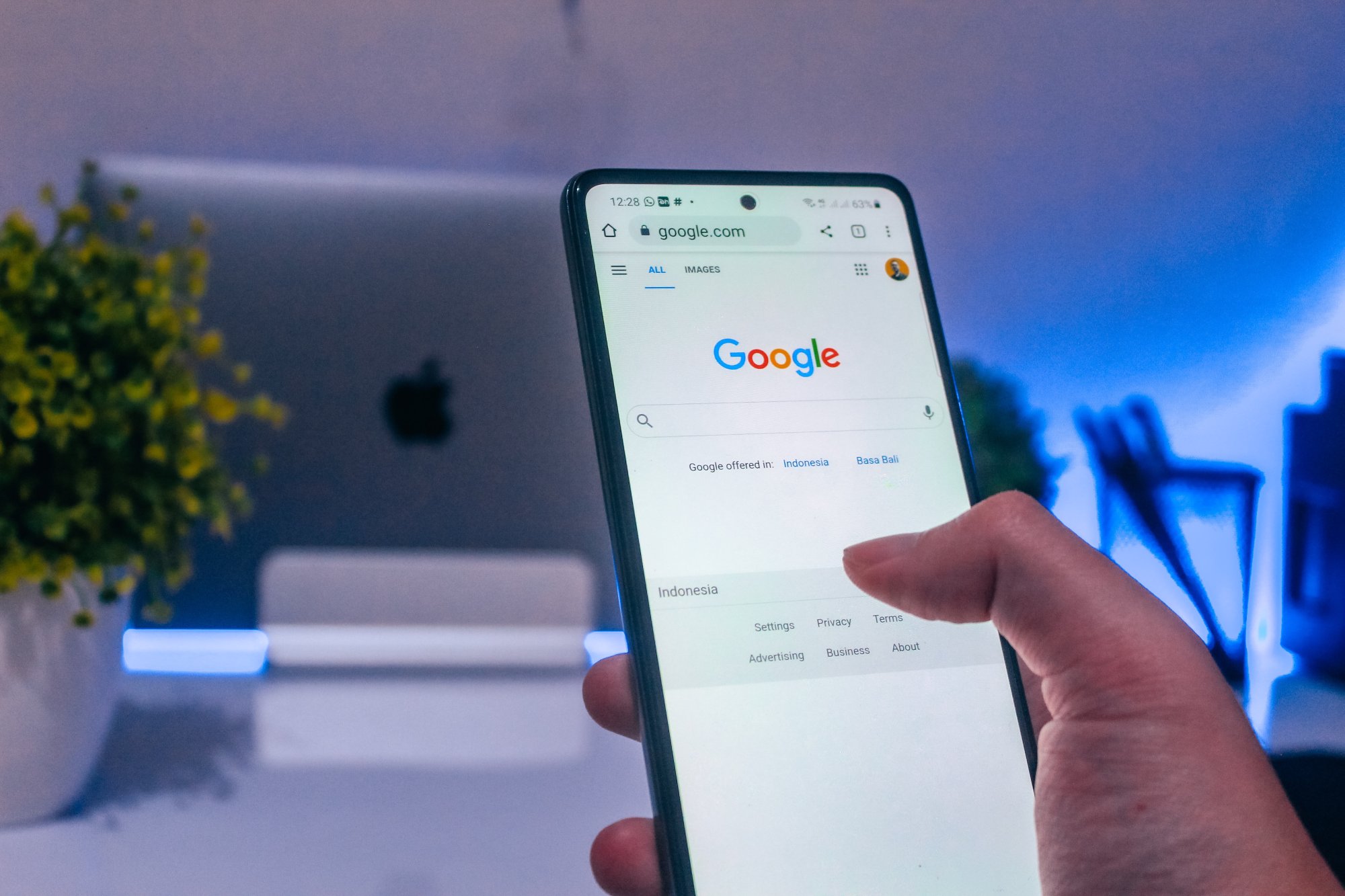
Mobile SEO is the practice of optimising your website so it performs well for the people searching on a phone — and ranks well in Google's mobile-first index. With mobile-first indexing, Google evaluates the mobile version of your site to decide how you rank everywhere, so a weak mobile experience drags down your whole search presence.
More than half of all web traffic now comes from mobile, so this isn't a niche optimisation — it's the default. Below is the checklist our team works through for a new SEO client, in the order we'd tackle it.
Google ranks the mobile version of your site first. So when we talk about "your site", we mean the one on the phone in your customer's hand — that's the one being judged.
What mobile SEO actually means
Mobile SEO is about more than "does the site fit on a small screen". It's making sure mobile visitors can find you in search, load your pages fast, read your content comfortably and complete the action you want — all on a device with a small screen, a thumb for a cursor and a patchy connection.
It sits at the intersection of technical SEO, content and user experience. Get all three right on mobile and the desktop experience almost always follows.
Why mobile decides your rankings
Google has spent more than a decade tilting towards mobile. It now uses mobile-first indexing by default, meaning the mobile version of your pages is the one it crawls, indexes and ranks. If your mobile site hides content the desktop shows, or loads slowly, that's the version Google sees.
Page speed compounds the effect. Google has confirmed speed as a mobile ranking factor, and the commercial stakes are blunt: a large share of visitors abandon a mobile page that takes more than a few seconds to load. Slow mobile pages lose rankings and revenue at the same time.
"On mobile, every extra second of load time is a tax on both your rankings and your conversion rate. Speed isn't a nice-to-have — it's the price of entry.
— Whitehat SEO playbook
The foundations: responsive design
Start with responsive web design — a single site that automatically adapts its layout to any screen size. It's Google's explicitly preferred pattern, it gives you one set of URLs and content to maintain, and it removes the duplicate-content and consistency headaches that separate mobile sites used to create.
- ✓ Use one responsive site. One URL, one piece of content, served to every device — not a separate m-dot site.
- ✓ Show the same content on mobile. Don't hide text, links or structured data on smaller screens; Google indexes what the mobile user sees.
- ✓ Don't block CSS, JavaScript or images. Google's mobile crawler wants to render the page exactly as users do — let it.
- ✓ Keep titles and meta descriptions tight. Mobile searchers scan fast, so front-load the keyword and the value.
Speed and Core Web Vitals
Speed is where most mobile sites lose ground. Google's Core Web Vitals measure real-world loading, interactivity and visual stability, and they're a confirmed ranking signal. On mobile — slower hardware, slower networks — they matter even more.
- Compress and right-size images. Oversized images are the number-one cause of slow mobile pages. Serve modern formats and only the resolution the device needs.
- Minify code and reduce redirects. Every redirect and unnecessary script adds delay on a phone.
- Leverage browser caching and a CDN. Repeat visits and far-flung visitors both load faster.
- Aim for a load in a second or two. The best sites load in under a second; a few seconds is where you start losing people.
If speed is your weak point, our guide to site speed optimisation walks through the fixes in order of impact.
Mobile UX that actually converts
Ranking is only half the job — the mobile experience also has to convert. User experience is itself a ranking factor, and it's the difference between a visit and a sale.
- Design for thumbs. Make buttons and tap targets large enough to hit easily, and space them so people don't fat-finger the wrong link.
- Make CTAs obvious. Clear, easy-to-find calls to action tell mobile visitors exactly what to do next.
- Simplify forms. Minimise fields and use the right input types so filling a form on a phone isn't a chore.
- Go easy on pop-ups. Intrusive interstitials frustrate users and can be penalised on mobile.
- Use legible type. Choose font sizes that read comfortably on a small screen without pinching and zooming.
Mobile and local search go together
A huge share of mobile searches are local — "near me", "open now", "closest". If you serve a local market, mobile optimisation and local SEO are the same project. Keep your name, address and phone number consistent everywhere, claim and optimise your Google Business Profile, and earn reviews.
We cover the local side in depth in our guides to ranking on Google Maps and the benefits of local SEO for small businesses.
Tracking, testing and iterating
Mobile SEO is never finished — it's monitored. Mobile and desktop rankings can differ, so track them separately and watch how mobile visitors actually behave.
- Use Google's mobile-friendly checks. Confirm pages meet Google's mobile criteria and act on the suggestions.
- Monitor mobile rankings. Identify pages slipping on mobile specifically, and prioritise those.
- Analyse mobile behaviour. Use Google Analytics and Search Console to see where mobile users drop off, then fix those moments.
We'll audit your mobile SEO and fix what's slowing you down in a free audit.
A senior strategist checks your mobile experience, Core Web Vitals and rankings, then hands you a prioritised plan — yours to keep, no obligation.
Mobile isn't the future of search — it's the present. Optimise the experience on the device your customers actually use, keep testing, and the rankings and conversions follow.
Frequently asked questions
What is mobile SEO?
Mobile SEO is the practice of optimising your website so it ranks well and performs well for people searching on a phone. It combines responsive design, fast load times, mobile-friendly user experience and local optimisation. Because Google uses mobile-first indexing, your mobile site is the version that determines how you rank everywhere.
Why is mobile SEO important?
Mobile SEO matters because more than half of all searches happen on mobile, and Google ranks the mobile version of your site first. A slow or hard-to-use mobile site lowers your rankings and loses visitors — many abandon a page that takes more than a few seconds to load on a phone.
Do I need a separate mobile website?
No. A separate mobile (m-dot) site is outdated and creates duplicate-content and consistency problems. Google's preferred approach is responsive design — a single site with one set of URLs that automatically adapts its layout to any screen size, from phone to desktop.
How fast should my mobile site load?
Aim to load in one to two seconds; the best mobile sites load in under a second. Speed is a confirmed mobile ranking factor and a major conversion lever — a large share of visitors leave if a mobile page takes more than a few seconds. Compressing images is usually the fastest win.