Digital marketing for food and beverage brands: 5 strategies that drive sales
Food and drink sell on appetite, trust and habit — which makes them perfect for digital. Here are the five channels we'd prioritise for a food or beverage brand, and how to make each one pull its weight.
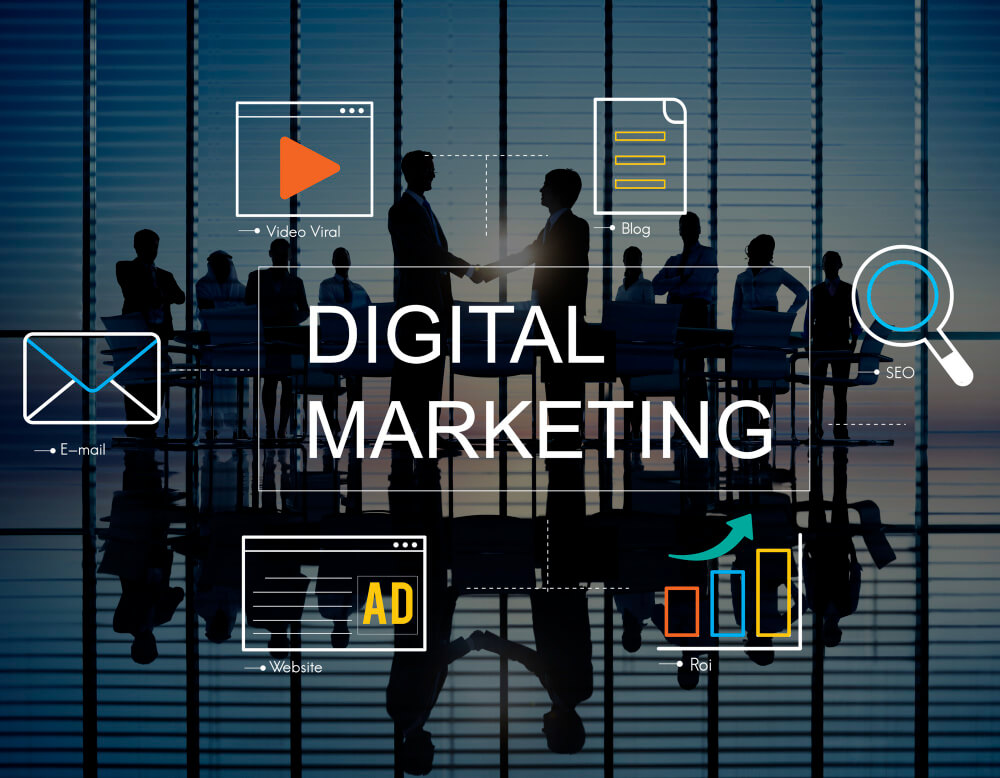
The five digital marketing strategies that work hardest for food and beverage brands are influencer partnerships, content marketing, local SEO, social media and email. Together they cover the full journey — discovery, trust, the in-the-moment search, and the repeat purchase that actually builds a profitable brand.
Food and drink have an unfair advantage online: they're visual, emotional and bought on habit. That makes them perfect for digital — but only if each channel earns its place. Here's how we'd prioritise the five for a food or beverage brand, and how to make each one pull its weight rather than just look busy.
Why food and drink win online
Appetite travels fast through a screen. A well-shot product, a recipe someone can picture making, a behind-the-scenes clip from the kitchen — these create desire in a way few categories can match. The brands that win pair that visual appeal with the unglamorous fundamentals: being findable when someone searches, and being remembered when it's time to reorder.
1. Influencer marketing: borrow trust, authentically
Influencers shape buying decisions in a way traditional advertising can't, because they carry trust your brand hasn't earned yet. The win isn't reach for its own sake — it's the right creator, whose audience and values genuinely match yours, making content that doesn't feel like an ad.
- ✓ Match values, not just follower counts. A smaller creator with a loyal, on-brand audience beats a big account with a mismatched one.
- ✓ Let it feel organic. Reviews, tastings, behind-the-scenes footage and recipes outperform polished ad reads.
- ✓ Track to outcomes. Use unique codes or links so you can tell engagement from actual sales.
2. Content marketing: turn appetite into authority
Content builds reputation and gives people a reason to choose — and return to — your brand. For food and drink, the formats almost write themselves: recipe blogs and videos that show your product in use, and behind-the-scenes stories from farm to table that make your sourcing and craft tangible.
A good content strategy starts with what your audience actually wants to read or watch, mixes formats, and is built to be found in search. Lead with your genuine differentiators — sustainable sourcing, unique ingredients, real health benefits — and tie it together with the principles in our guide to creating valuable website content.
3. Local SEO: be the answer to "near me"
Most food and drink searches carry local intent — somewhere to eat tonight, a shop that stocks a product, a café nearby. Local SEO puts you in front of those high-intent searches at the exact moment of decision, and it's one of the highest-ROI channels in the category.
- Claim and complete your Google Business Profile. Accurate name, address and phone, current opening hours, and genuinely good photos of your food and venue.
- Win reviews. Ask happy customers to leave them — reviews are one of the strongest local ranking signals there is.
- Create local content. Local events, collaborations with nearby businesses and regional ingredients all reinforce your relevance to the area.
Our SEO team treats local search as a priority for any brand with a physical footprint.
4. Social media: the category's natural home
Few categories belong on social like food and drink. The job is to be where your audience already is and to keep the feed appetising. Instagram and Pinterest reward strong visuals; Facebook builds community and reach; short-form video on TikTok and Reels can move a product overnight when it lands.
Keep it fresh with strong product photography, user-generated content from happy customers, and contests or giveaways to lift engagement. When you're ready to scale reach, targeted Meta ads let you put eye-catching creative in front of precise audiences — by location, interest and behaviour — without wasting spend on the wrong people.
We'll map the marketing plan your food brand needs.
A senior strategist reviews your brand, audience and goals, then hands you a prioritised growth plan — yours to keep, whether or not you work with us.
5. Email and retention: where the profit lives
Email is unfashionable and quietly one of the most profitable channels you have, because it speaks to people who already know you. The goal is a quality list, not a big one — built with genuine incentives, newsletter sign-ups and event capture, never bought.
From there, make every send earn its place: personalise by behaviour and preference, and automate the workhorses — abandoned-cart reminders, birthday offers, win-back flows. Watch open, click, conversion and unsubscribe rates, and adjust. Retention is where a food brand turns one-off buyers into the repeat customers that make it profitable.
Run these five together and they compound: influencers and social create discovery, content and local SEO build trust and findability, and email turns the result into repeat revenue. The brands that treat them as one connected system — not five separate campaigns — are the ones that last.
Frequently asked questions
What is the best digital marketing strategy for food and beverage brands?
There's no single best channel — the strongest approach combines influencer partnerships, content marketing, local SEO, social media and email. Together they cover discovery, trust, the in-the-moment local search and repeat purchase, which is what turns a food or beverage brand into a profitable, lasting one.
Why is local SEO important for food and beverage businesses?
Most food and drink searches carry local intent — somewhere to eat, a shop that stocks a product, a café nearby. Local SEO puts you in front of those high-intent searches at the moment of decision. Claiming your Google Business Profile and winning reviews makes it one of the highest-ROI channels available.
How do food brands use influencer marketing effectively?
Effective influencer marketing matches creators whose audience and values genuinely fit your brand, rather than chasing follower counts. Let the content feel organic — reviews, tastings, behind-the-scenes footage and recipes — and track results with unique codes or links so you can tell real engagement from actual sales.
Which social media platforms work best for food and beverage brands?
Instagram and Pinterest reward strong food visuals, Facebook builds community and reach, and short-form video on TikTok and Reels can drive demand fast. The right mix depends on where your audience already spends time, so prioritise the platforms that match your customers rather than spreading thin.
Is email marketing still worth it for food brands?
Yes — email is one of the most profitable channels for food brands because it reaches people who already know you. Build a quality list with genuine incentives, then automate abandoned-cart reminders, birthday offers and win-back flows. Retention turns one-off buyers into the repeat customers that drive profit.