How to design a great logo: 9 tips, the 5 principles, and when to rebrand
Your logo is the face of your brand — the thing people recognise and remember. Here are the five principles every strong logo shares, nine practical design tips, and how to tell when it's genuinely time to redesign.
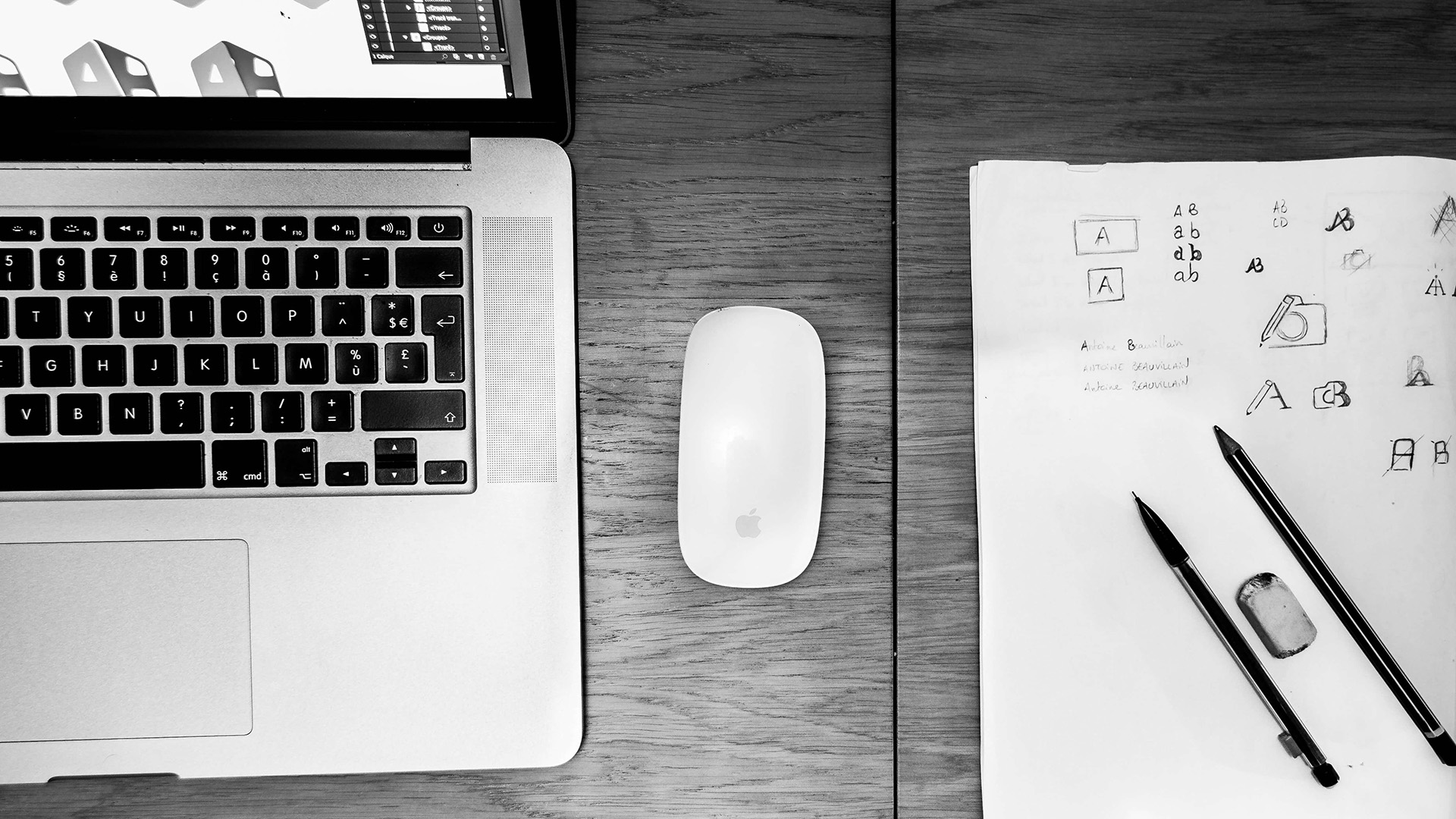
Your logo is the most visible part of your brand. It's on your website, your invoices, your social profiles and the side of your van — it's how customers recognise you and, over time, how they remember you. People process images faster than text, which is exactly why a strong logo does so much heavy lifting for relatively little space.
Get it right and your logo quietly builds trust and recognition every time it's seen. Get it wrong and it works against you. This guide pulls together the principles, the practical tips and the worked examples so you can brief a designer — or judge a concept — with confidence.
A logo isn't decoration. It's a recognition shortcut. Its whole job is to make your brand instantly identifiable and to carry the feeling you want associated with your business.
Why your logo matters
A logo is the anchor of your visual brand. It sets the tone for your colour palette, your typography and the look of everything you publish, from your website to your ads. When it's coherent and considered, the rest of your brand has something solid to build on. When it's an afterthought, everything downstream feels a little off — which is why a strong logo and a well-designed site go hand in hand. (For the bigger picture, see what makes good website design work.)
The 5 principles of a strong logo
Almost every logo that stands the test of time shares the same five traits. Hold any concept against this checklist before you sign it off.
- ✓ Memorable — it sticks after a glance. If you can't recall it five minutes later, it isn't doing its job.
- ✓ Simple — clean enough to work at any size, from a browser tab favicon to a billboard. Think Apple or Nike.
- ✓ Timeless — it won't look dated in five years. Chasing trends ages a logo fast.
- ✓ Versatile — it works in colour and in black and white, printed on a business card and displayed on a screen.
- ✓ Appropriate — it fits your audience and industry. A children's brand and an insurer should not feel interchangeable.
9 logo design tips
- 1. Colour carries emotion. Blue reads calm and trustworthy; red signals energy and passion. Decide what you want customers to feel, then choose colours that reflect it.
- 2. Make it unmistakably yours. A logo too close to a competitor's invites confusion. Aim for something that could only be you.
- 3. Keep it simple. If a concept feels busy, it is. The most enduring logos are remarkably spare. Don't be afraid to strip things back.
- 4. Give it meaning. A reason behind the mark makes it more memorable and more personal to your business.
- 5. Design for versatility. It should translate cleanly across print, web, app icons and signage — not just look good in one mock-up.
- 6. Get clever with it. Negative space and visual double-meanings (think the FedEx arrow) make a logo stick. Used well, they earn a second look.
- 7. Think long term. Frequent rebrands cost recognition and confuse customers. Design something you can live with for years.
- 8. Make it audience-appropriate. Picture the people you're selling to and ask whether the logo speaks to them.
- 9. Make it something you're proud of. Your logo will be everywhere. If it makes you wince now, it'll wince harder at scale. Don't settle.
"If a logo concept feels complicated, it is. The brands you can draw from memory are almost always the simplest ones.
— Whitehat design team
We'll pressure-test your identity in a free audit.
A senior strategist reviews your logo, brand and website against what actually converts, then shows you what to sharpen. Yours to keep.
Logos that get it right
The best way to internalise the principles is to see them at work. A few that nail all five:
- Nike — the swoosh sums up an entire brand with a single mark. So recognisable the company dropped its name from the logo entirely.
- FedEx — the hidden arrow in the negative space between the 'E' and 'x' quietly signals speed and precision. Cleverness done right.
- Amazon — the arrow runs from A to Z (they sell everything) and doubles as a smile. Multiple meanings, still dead simple.
- Target — pure simplicity. The name and the brand are so fused that the bullseye alone is enough.
- World Wildlife Fund — the panda works in black and white by necessity and tugs at the emotions of the cause it represents.
Notice the pattern: each is simple, each carries meaning, and each has become inseparable from the brand. That's the bar.
When it's time to redesign
A redesign isn't about chasing fashion — it's about realigning the mark with where your business actually is. The clearest signals it's time:
- It looks dated. Google, eBay, Yahoo and Microsoft all modernised tired marks to look current and trustworthy — eBay especially, where trust is everything.
- You've outgrown it. Netflix moved from posted DVDs to streaming; the logo had to move with the company. If your business has changed, your logo should reflect it.
- It's too complex. TGI Friday's stripped its mark right back — even dropping the punctuation — for a cleaner, sleeker look. Simplifying is often the whole job.
- It doesn't fit the brand. Fitness First rebuilt its mark to feel like a gym, swapping calm blue for energetic red. The logo should match the feeling.
A redesign can feel daunting, but done thoughtfully it pays off. The trick is to keep what's working and fix only what isn't — evolution, not reinvention. If you're weighing one up, a strong logo is just one piece of a coherent identity; our guide to creating your brand identity covers the rest, and our web design team can help you bring it to life.
Frequently asked questions
What makes a good logo design?
A good logo design is memorable, simple, timeless, versatile and appropriate to your audience. It should be recognisable at a glance, work in both colour and black and white, scale from a favicon to a billboard, and carry the feeling you want associated with your brand — without relying on passing design trends.
How many colours should a logo use?
A logo should generally use one to three colours. Fewer colours keep it clean, reproduce reliably across print and screen, and cost less to apply across signage and merchandise. Always make sure your logo also works in plain black and white, since it won't always appear in full colour.
When should a business redesign its logo?
Redesign your logo when it looks dated, has grown too complex, no longer fits your audience, or your business has fundamentally changed — like Netflix shifting from DVDs to streaming. Avoid redesigning purely to chase trends, as frequent changes cost you hard-won recognition and can confuse loyal customers.
Why is a logo important for my business?
A logo is important because it's the most visible part of your brand and the shortcut customers use to recognise and remember you. A strong logo builds trust and consistency across your website, ads and materials, while a weak or dated one quietly undermines how professional and credible your business appears.
Should my logo be simple or detailed?
Your logo should lean simple. The most enduring logos — Nike, Apple, Target — are remarkably spare, which makes them easy to recognise and reproduce at any size. Detail tends to disappear when a logo is shrunk to an app icon or printed small, so clarity almost always beats complexity.